
8 Fascinating facts about the Karoo biome
The Karoo may look harsh and empty, but it keeps remarkable secrets. From ancient fossils to spectacular night skies and plants found nowhere else on Earth, this unique biome reveals far more than meets the eye.
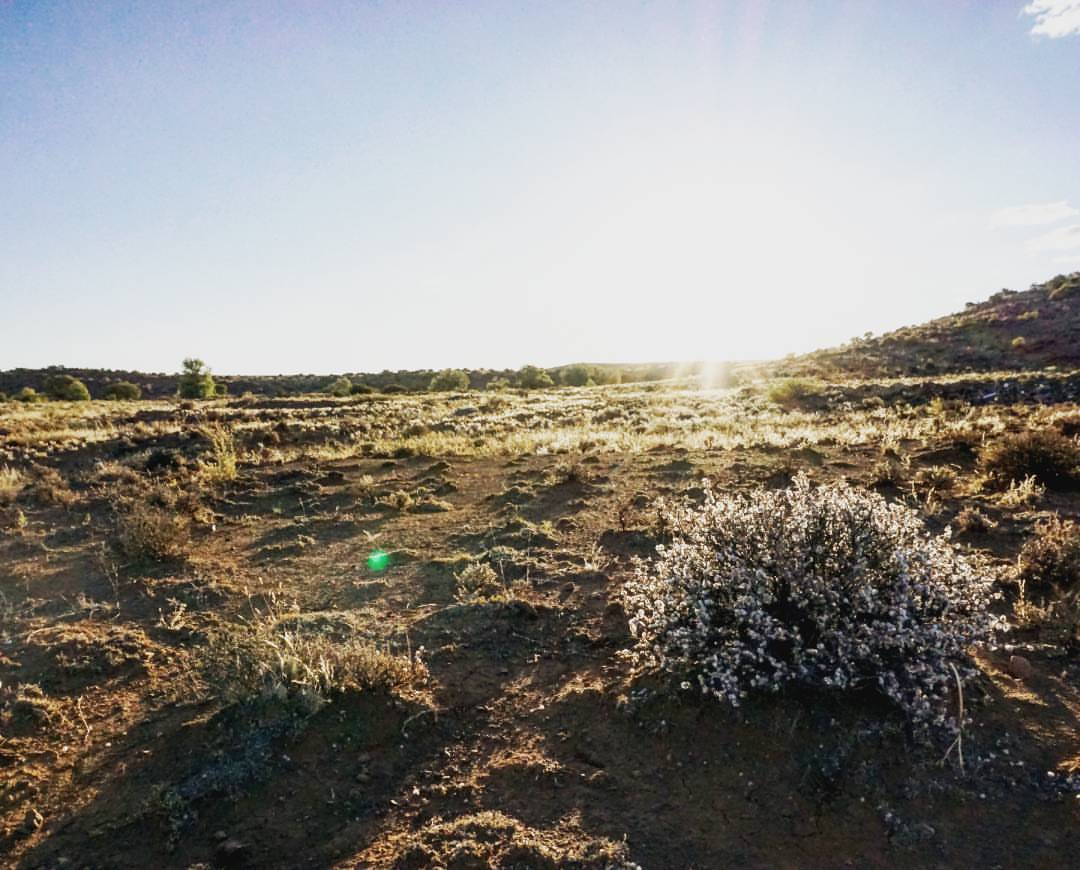
The Karoo biome is one of South Africa’s most remarkable regions. Stretching across vast parts of the interior, the region often appears stark at first glance, but beneath its surface lies an ecosystem packed with surprising complexity.
From unusual plants to extraordinary animals, the Karoo reveals new layers the more closely one looks. These eight fascinating facts reveal why this region remains one of the country’s most distinctive natural environments.
The Karoo is one of the world’s richest succulent regions
Despite its dry appearance, the Karoo is home to an astonishing number of plant species. Botanists recognise the region as part of a global hotspot for succulent diversity, particularly within the succulent Karoo. Hundreds of specialised plants have evolved to store water in thick leaves or stems, allowing them to survive long periods without rainfall.
Many of these species exist nowhere else on Earth. Tiny living stones, hardy vygies and unusual aloes thrive in rocky soils where few other plants could survive. Spring rains often trigger spectacular wildflower displays that transform seemingly barren plains into vibrant carpets of colour.
The landscape was shaped over millions of years
The dramatic plains and koppies that define the Karoo are the result of deep geological time. Sedimentary rocks laid down around 300 million years ago formed part of a vast inland sea and later river systems. Over millions of years wind, water and temperature extremes slowly sculpted the terrain into the wide open vistas seen today.
Erosion continues to shape the land while exposing ancient fossils that offer clues about prehistoric life. The Karoo fossils discovered in this region have helped scientists understand the evolution of reptiles and early mammal ancestors that lived long before the dinosaurs disappeared.
Rainfall is unpredictable but life adapts
The Karoo receives relatively little rain and what does fall often arrives in unpredictable bursts. Annual rainfall can vary widely from year to year, creating a challenging environment for plants and animals alike.
Life has adapted in remarkable ways. Many plants remain dormant during long dry spells before quickly responding when rain arrives. Seeds can lie in the soil for years before conditions trigger germination, allowing entire plant communities to appear almost overnight after a good shower.
The Karoo is home to uniquely adapted wildlife
Animals that live in the Karoo have developed impressive survival strategies. Antelope such as the springbok and gemsbok can travel long distances in search of grazing while smaller mammals rely on burrows to escape extreme temperatures.
Reptiles thrive in the heat while nocturnal creatures such as bat-eared foxes and aardwolves emerge after sunset when the air cools. The region also supports several species of tortoise, including the small and hardy Karoo tortoise, which has adapted to survive in a region where water is scarce.
Extreme temperatures define the region
The Karoo experiences some of the most dramatic temperature swings in South Africa. Summer days can soar above 40°C while winter nights frequently drop below freezing. This constant contrast between scorching heat and icy cold affects how plants grow and how animals behave.
Many plants develop small leaves or waxy coatings that reduce water loss under intense sunlight. Animals often limit activity during the hottest hours of the day, emerging instead during cooler mornings or evenings.
The night skies are among the clearest in the world
Minimal light pollution and dry air combine to produce exceptional night skies across much of the Karoo. Astronomers consider parts of the region ideal for observing the cosmos, which is one reason why the Southern African Large Telescope operates near Sutherland.
Visitors who step outside after dark often find themselves surrounded by an extraordinary sweep of stars. The Milky Way stretches across the sky in remarkable clarity, creating a natural spectacle that has fascinated travellers and scientists alike.
The Karoo once supported vast animal migrations
Historical records from early travellers describe immense herds of springbok moving across the plains in seasonal migrations. These migrations, known as trekbokke, sometimes stretched for kilometres and darkened the horizon as animals moved in search of grazing.
Modern farming and fencing have mostly ended these large-scale movements. Their memory remains part of Karoo folklore while reminding us how dynamic this ecosystem once was.
Human life in the Karoo reflects the environemnt
Communities across the Karoo have developed lifestyles closely tied to the land. Sheep farming and tourism all rely on understanding the seasonal patterns. The persistence of nature continues to influence the culture of Karoo towns while drawing visitors who seek a deeper connection with the environment.
The Karoo biome might seem austere, but its hidden complexity reveals a world filled with adaptation and natural wonder. From ancient fossils beneath the soil to brilliant constellations overhead, the region remains one of South Africa’s most fascinating natural treasures.

Comments ()