
Can small-town butcheries survive in the modern economy?
The greatest strength of the small-town butchery is still its relationship with the community.
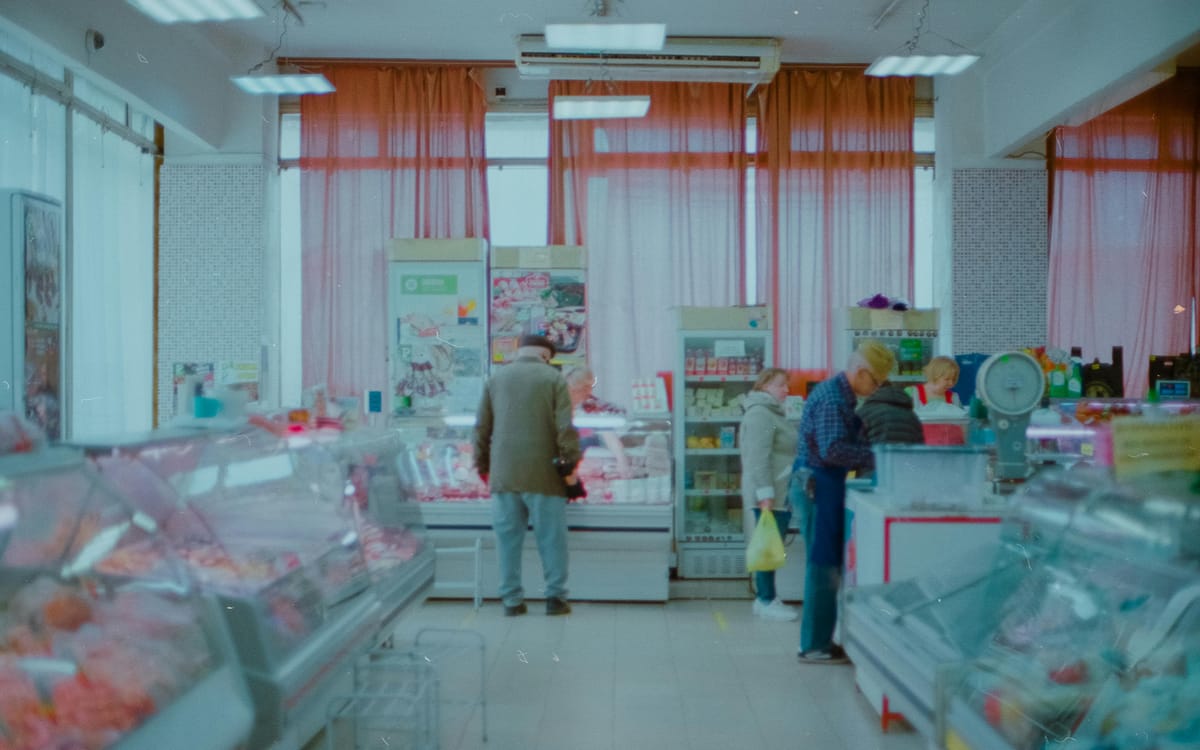
The Karoo butchery is a distinct experience: the smell of boerewors being prepared in the back room; carefully cut, locally-sourced lamb in chilled cabinets; the local shoppers discussing the weather and sharing their ailments and news with the familiar face behind the counter.
While the small-town Karoo butchery is integral to the community itself, like many traditional businesses, they face growing pressure in a changing economy. Rising costs and supermarket competition have led some to question whether the small-town butchery still has a future.
The supermarket vs. the local butchery
Supermarkets have expanded their fresh meat offerings so that consumers can now purchase meat and household essentials in a single trip, creating a convenience advantage that independent butcheries often struggle to match.
But operating costs continue to climb. Electricity, refrigeration, transport and labour all place pressure on margins and while load shedding may have eased compared to previous years, energy costs are a huge concern for businesses that rely on constant refrigeration.
Consumer spending has also come under pressure. Families facing tighter budgets are often more price conscious than they were a decade ago, making it harder for smaller operators to compete purely on cost.
These realities have forced many independent businesses to rethink what they offer and how they serve their communities.
In response, many successful butcheries no longer rely solely on fresh meat sales but have evolved into specialised food destinations that offer a much broader range of products. Biltong, droëwors, boerewors, smoked meats, pies, frozen meals and speciality cuts now all contribute to their revenue.
Some have expanded further by stocking local cheeses, preserves, spices, olives, rusks and regional wines.
This diversification creates multiple income streams while encouraging customers to spend more time browsing and discovering products. It also helps businesses stay responsive when demand moves in one particular category.
In effect, many of today's most successful small-town butcheries function as local food hubs in their own right.
The Karoo's natural advantage
Livestock farming is central to the local economy. Sheep, cattle and game farming have built the region for generations, creating a strong connection between the land and the food produced on it.
This gives local butcheries a powerful advantage. While supermarkets can compete on convenience, they often struggle to replicate the story behind a locally sourced product.
When customers buy Karoo lamb, they are buying into a farming tradition and a sense of place. Provenance is becoming more important than ever as consumers become more interested in where their food comes from and how it was produced.
This growing focus on authenticity has created opportunities for businesses that can demonstrate quality and local roots, and Karoo lamb has a value that extends well beyond the product itself.
The tourism opportunity
Visitors to the Karoo want to encounter businesses that feel connected to the local culture, and many tourists report visiting a specific town in which the butchery has become a destination in its own right for its famous biltong or Karoo lamb.
Travellers likewise stock up on speciality preserves or locally baked rusks, or even a pair of quintessential sheepskin slippers. This creates opportunities that extend beyond the local customer base.
The power of community
The greatest strength of the small-town butchery is still its relationship with the community.
The butcher knows exactly how thick a customer prefers a steak or how they want their mince. The owner supports local events and the staff recognise regular customers by name.
These relationships create loyalty that cannot be substituted by larger competitors and in small towns businesses succeed when they become woven into everyday life.
A future rooted in local identity
Independent butcheries face undeniable challenges while enjoying advantages that larger competitors lack.
The future of the small-town butchery may not look exactly like its past. In a region where agriculture and community are closely connected, there is every reason to believe these businesses will continue to play an important role in preserving a way of life and smaller, but more durable, economy.

Comments ()