
Exploring Graaff-Reinet’s illicit brandy and the taste of survival
Withond shows how communities in the Karoo responded to scarcity with ingenuity, using what land and knowledge allowed.

🔴 You might also like to read:
 Naomi Roebert
In the interior of the Eastern Cape, alcohol was not only a social indulgence but also currency, medicine and, at times, insurance.
In and around Graaff-Reinet, a locally distilled brandy known as withond emerged from this reality. It was never branded, rarely written down and seldom discussed outside trusted circles.
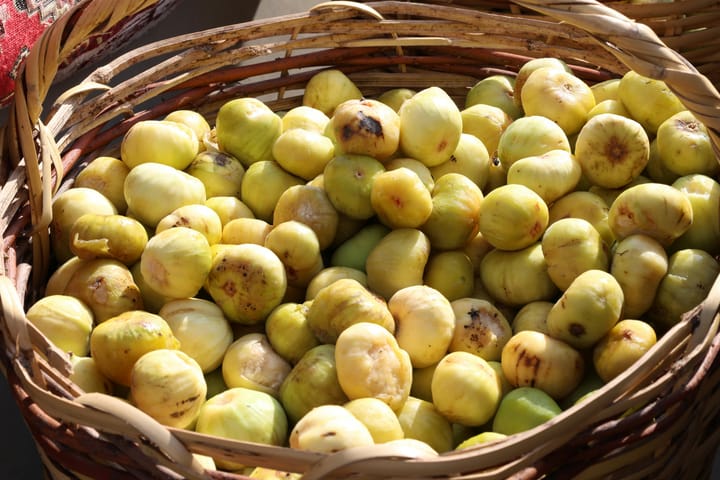
Withond was a rough grape spirit, distilled informally from surplus or low-grade fruit grown on small vineyards along the Sundays River and in sheltered pockets of the Camdeboo.
Grapes that could not be sold fresh or turned into table wine were fermented then distilled in simple stills assembled from what was available (copper, enamel pots and improvised coils were common). The result was a harsh, high-proof and variable.
What withond was and how it was made
The process followed basic principles: fruit was crushed, left to ferment naturally, then heated to separate alcohol vapour from liquid. Knowledge travelled between neighbours and families, often demonstrated once and then remembered. No manuals circulated or measurements were standardised. The aim was yield.
Production usually took place out of sight, in sheds or lean-tos behind farm buildings, sometimes at night. This was down to the fact that laws and poverty made legal spirits inaccessible, so that distillation became a workaround.
🔴 You might also like to read:
 Naomi Roebert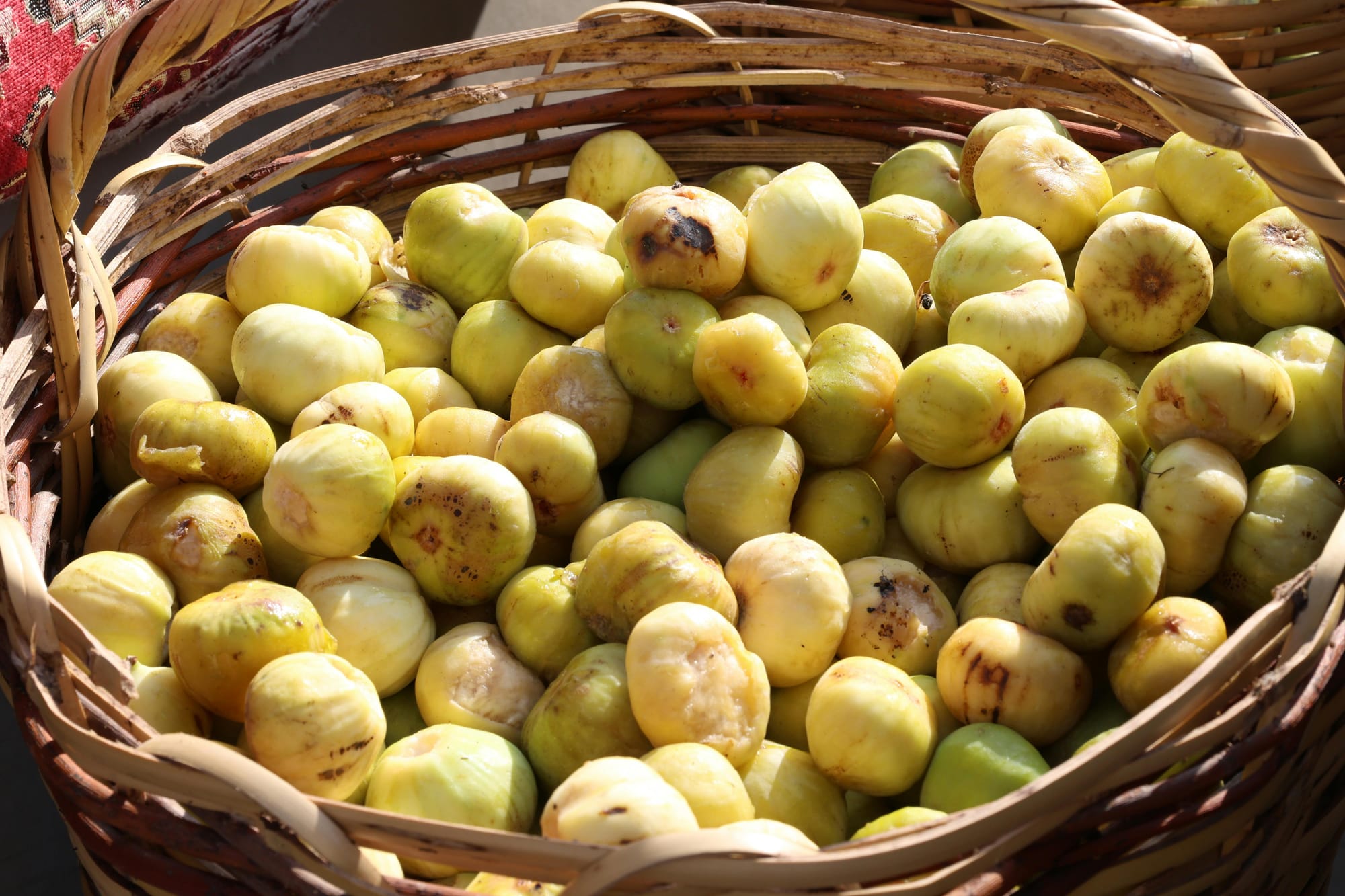
Why Graaff-Reinet became a centre
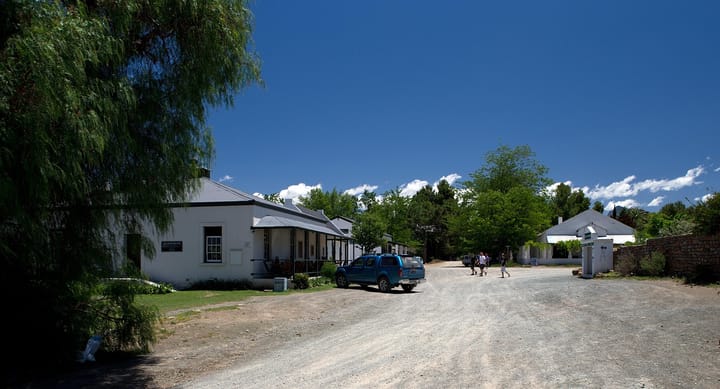
Graaff-Reinet’s sat at a crossroads between farms, wagon routes and later rail connections while remaining far from coastal supply chains.
During the late nineteenth century and into the Depression years, cash flow in the district was unreliable. Drought cycles strained livestock farming while wages were irregular and credit was scarce. Small-scale viticulture offered a secondary use of land, but markets were thin.
Withond filled the gap. Distillers converted perishable surplus into a durable commodity that could be traded locally.
This was an early example of informal economies functioning alongside official systems, not in opposition to them. The brandy circulated within a closed loop of trust, exchanged for labour or favours when money was short.
How it functioned socially and economically
Withond was shared at the edges of domestic life, after long days in the veld or during funerals and wakes where shop-bought liquor was unavailable. It soothed pain or warmed bodies in winter and marked moments of collective strain.
Importantly, it was regulated socially even if it was illegal. Overuse was frowned upon and selling to strangers invited risk. Quality failures carried reputational cost. These unwritten rules kept the practice contained.
Decline and disappearance
The decline of withond came slowly as improved transport reduced isolation. Commercial spirits became more accessible while policing of illicit distillation intensified during the mid twentieth century. Younger generations moved away from the skills and the need diminished.
Withond had largely retreated into memory by the time museums and heritage projects began recording Karoo domestic life. The distillation did not leave grand artefacts behind and its tools were repurposed or discarded.
Does withond survive today?
Occasional experimental recreations appear in private settings, usually as historical curiosity rather than necessity. No licensed revival exists and few argue that there should be one. The risk of turning a survival practice into a boutique product is real and preservation can slide into commodification, flattening meaning into novelty.
Some local museums acknowledge distillation indirectly through agricultural displays and domestic tools. Oral histories remain the richest source, especially among older residents of Camdeboo.
What the story reveals
Withond shows how communities in the Karoo responded to scarcity with ingenuity, using what land and knowledge allowed. It also reminds us that many practices now described as traditions were born from pressure.
In revisiting withond, the point is to recognise the intelligence embedded in rural life. These were solutions designed for specific conditions determined by distance and community trust: ’n Boer maak ’n plan - soms op maniere wat nie op papier bestaan nie.
🔴 You might also like to read:
 Naomi Roebert

Comments ()