
Growing skills and community roots in three Karoo towns
Through the valuable work of growing food, the programme will create spaces where young people can learn together and begin exploring what they might build in their own communities.
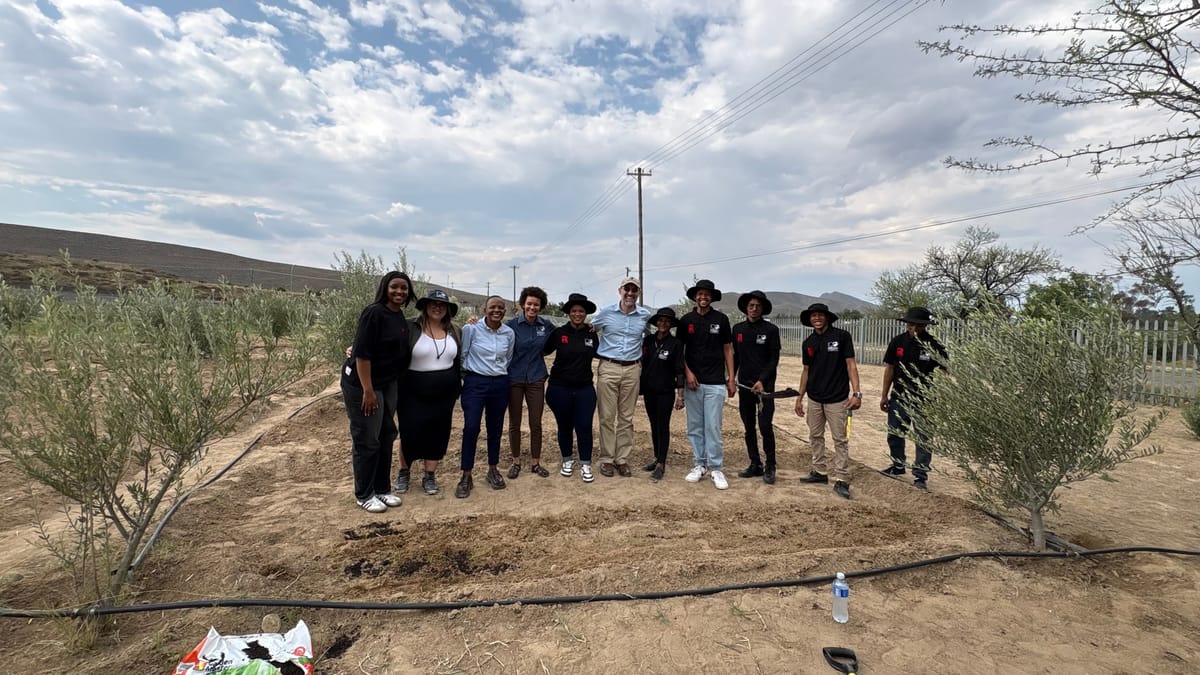
LAINGSBURG, Western Cape: A food garden needs regular attention: someone to water it and care for the soil and keep going in hard conditions. For 15 unemployed young people in Laingsburg, Sutherland and Matjiesfontein, this important work will be part of a programme intended to build skills and confidence for earning a living.
 TarantWessa
The Brandvalley and Rietkloof Wind Farm Community Roots Project is moving from planning into training and the activation of community Eco-Hubs. Delivered by the Wildlife and Environment Society of South Africa (WESSA) in partnership with Red Rocket, the programme will offer accredited training in climate-smart agriculture, agribusiness, environmental stewardship and entrepreneurship.
Through the valuable work of growing food, the programme will create spaces where young people can learn together and begin exploring what they might build in their own communities.
A garden and its people
WESSA’s Community Roots Project Coordinator, Sinoxolo Sabelo, describes an Eco-Hub as a group of young people working towards a shared goal.
“It is not a school or simply a training unit; it is young people coming together to address challenges such as unemployment and substance abuse, while building skills and opportunities through sustainable food gardens,” Sabelo explained.
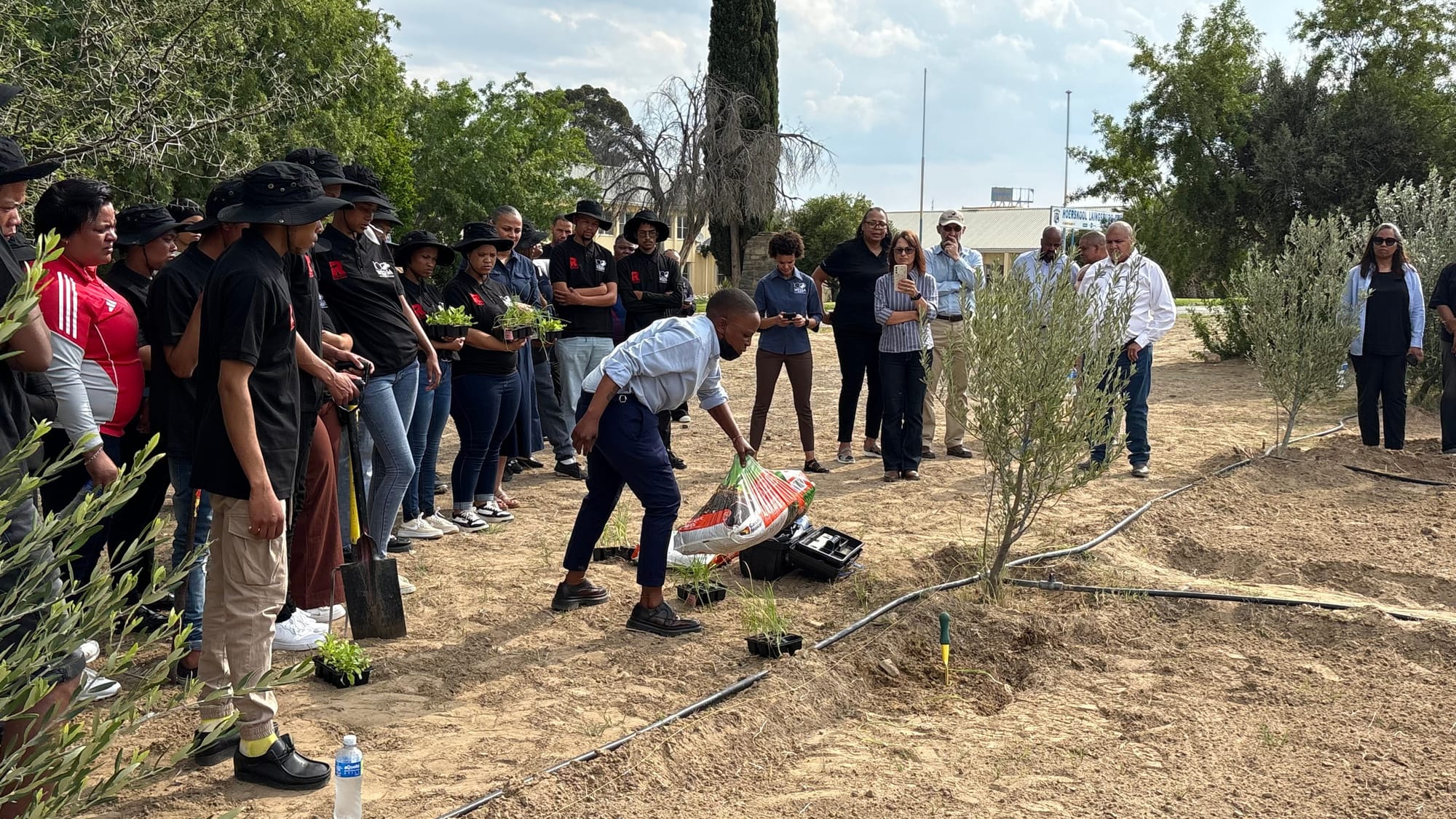
As well as agricultural training, participants will learn financial literacy, leadership, teamwork and time-management skills. These are all skills needed to tend a garden, but also to run a small enterprise or take on other work.
WESSA CEO Cindy-Lee Cloete said the value of the hubs is derived from the relationships and shared learning that develop around them. “An Eco-Hub is not the land or the infrastructure we put in place. It is the people who make it work.”
Speaking to young participants, Cloete emphasised the commitment involved. Getting up early to water a garden is a small, real-world example of the discipline needed to keep something growing. The programme’s deeper purpose, she said, includes personal development and responsibility.
Learning to grow with limited water
The agricultural training will need to work with local conditions. Sabelo identified low rainfall and soil nutrients as challenges that will influence what participants learn and how they use that learning.
The programme will explore rainwater harvesting, mulching, composting, drought-tolerant crops and appropriate irrigation scheduling. These methods will help participants to use water carefully and improve the conditions in which food can grow.
This is an invaluable life-skill for a project centred on sustainable livelihoods. Agricultural knowledge needs to be useful in the places where participants live, with methods they can understand and develop over time. Laingsburg High and Northrop Grumman Primary are providing spaces for learning. Technical support from the Department of Agriculture is also anticipated as the programme develops.
Starting with the community
The current phase follows a community scoping and baseline process carried out in November 2025. WESSA returned the findings to communities in March 2026 for validation before moving towards implementation. Kelly Alcock, WESSA’s Head of Education and Sustainability, says the process involved listening to young people, schools, stakeholders and community members.
“We engaged young people, schools, stakeholders and community members to understand what exists in each community, what the challenges are, and equally, what the opportunities and aspirations are. The community was the starting point.” At the launch, Laingsburg Mayor Aletta Theron encouraged participants and residents to take an active role in the programme.
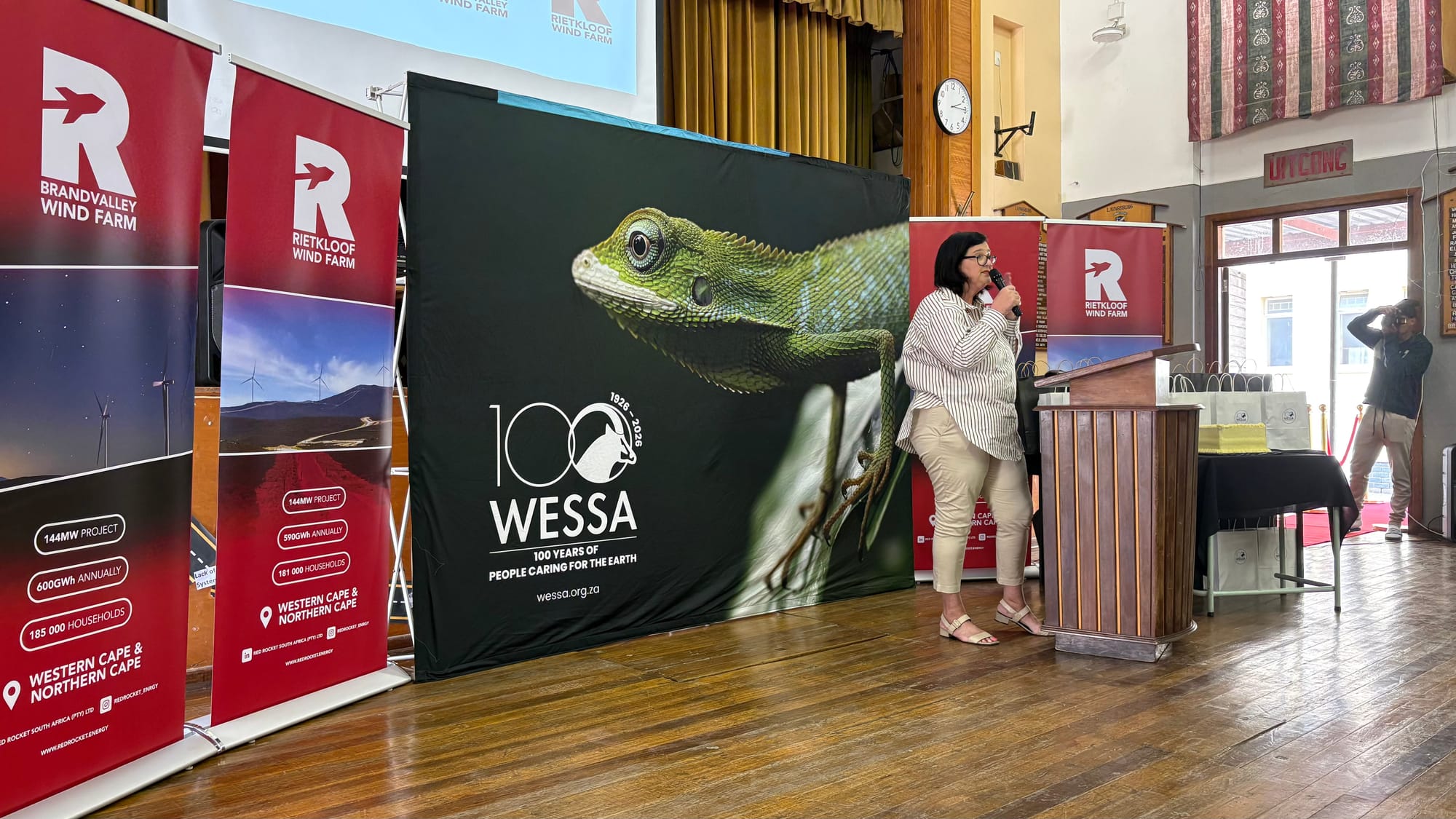
“This project belongs to you,” she said. “I encourage you to participate fully, take ownership of the opportunities presented and help ensure that the benefits of this initiative are sustained for years to come.”
Red Rocket supports Community Roots through the Brandvalley and Rietkloof Wind Farms. Its Economic Development and Community Manager, Tsholofelo Moote, says the goal is to help young people gain skills and the confidence to use them.
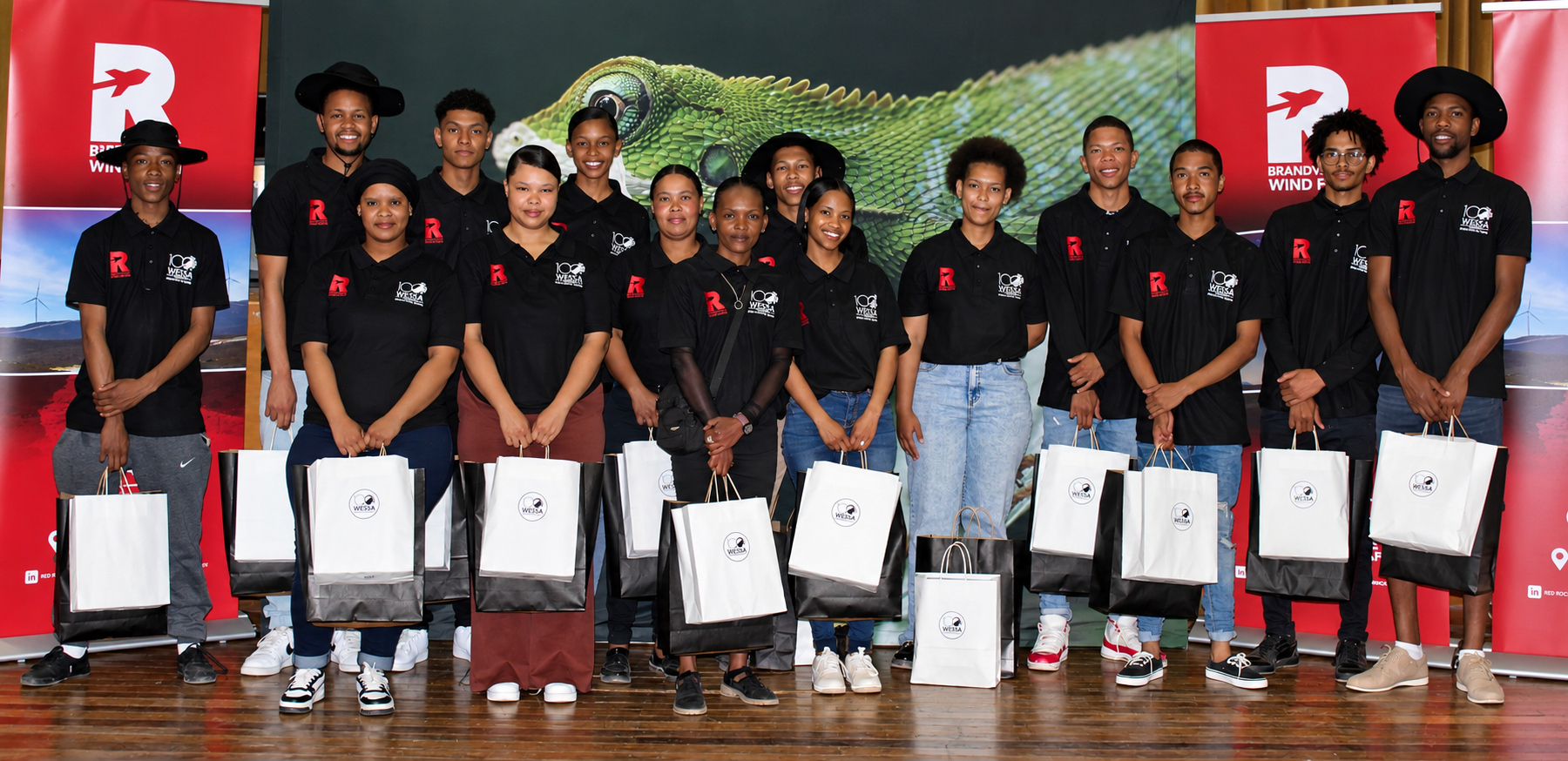
“We want young people to gain the confidence and tools to create positive change wherever they go.”
The project is still at an early stage. Results like new businesses with income earned, sustained employment or improved food security have yet to be assessed. For now, the next steps are training and adapting the programme as participants and organisers learn.
This leaves much of the work ahead with the young people involved, supported by their schools and community: finding ways through difficulties and building something for which they can continue to care.
 Lynette Spencer
 Liz Thorne
Comments ()