
Have you seen a blue crane? The Karoo’s sightings could help save them
Using sightings submitted by members of the public, conservationists hope to build an updated picture of where South Africa’s cranes are living and how their populations have changed.
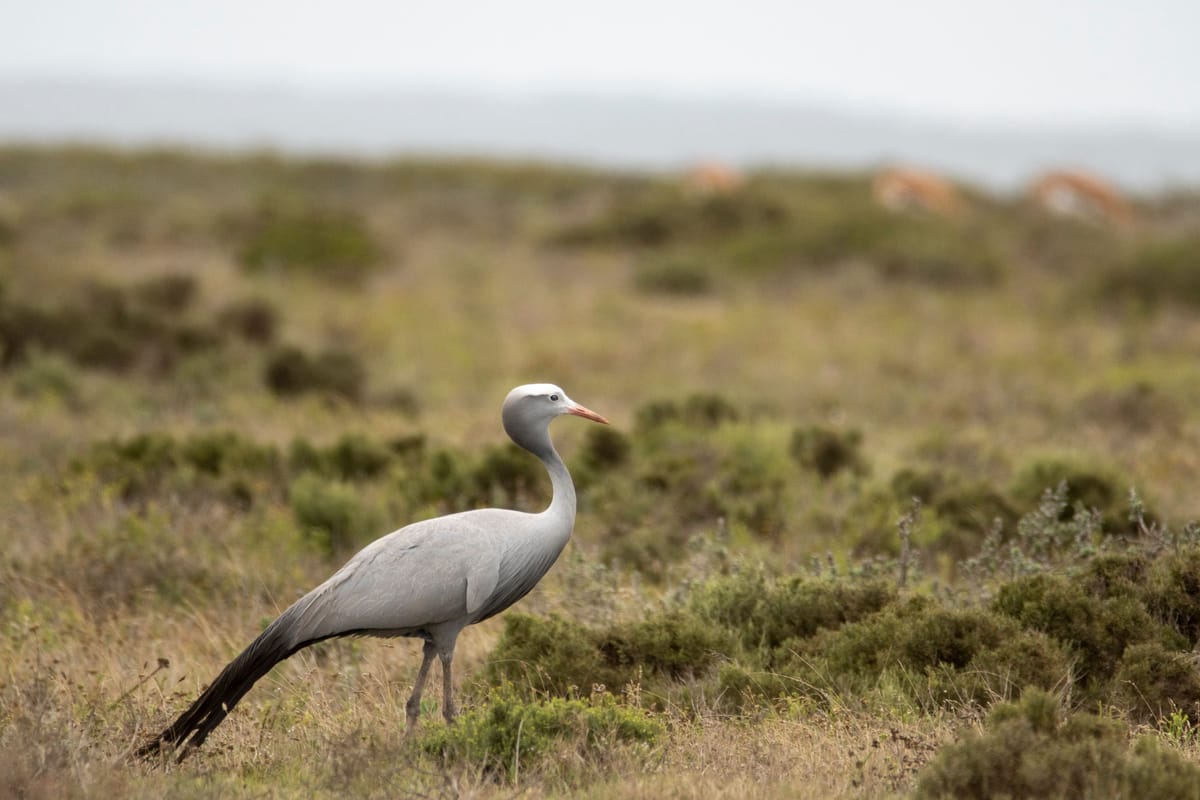
Farmers, farmworkers, birdwatchers and residents across the Karoo are being asked to keep an eye on the veld from July 24 to 27 as South Africa’s National Crane Census returns for the first time in almost 20 years.
The census is being revived by the Endangered Wildlife Trust (EWT) and International Crane Foundation. Using sightings submitted by members of the public, conservationists hope to build an updated picture of where South Africa’s cranes are living and how their populations have changed.
Participation for people in the Karoo may be as simple as noticing the birds beside a farm road or in an open field and sending the information through WhatsApp.
Why the Karoo’s sightings are important
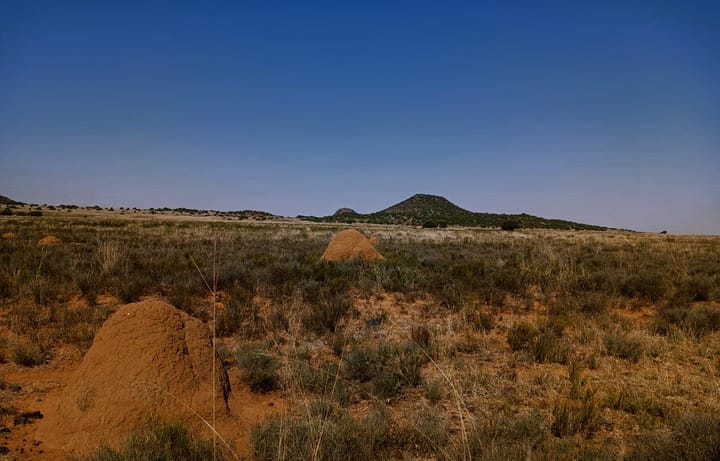
South Africa is home to three crane species: the Blue Crane, Wattled Crane and Grey Crowned Crane. Of these, the Blue Crane is the species Karoo residents are most likely to encounter. Blue Cranes are strongly associated with open terrain where they can feed and watch for danger. Agricultural Karoo land has consequently become an important part of their habitat.
This also means that people who live and work on farms might see things that formal conservation teams cannot. Farmers or livestock workers and rural residents spend time in large areas that researchers might visit only occasionally, if at all. They may know where cranes gather during winter, which dams they regularly visit and whether a familiar pair has returned to the same area. They might also notice that a flock once seen regularly has disappeared or that cranes have begun arriving in a district where they were previously uncommon.
When these individual observations are brought together, they can reveal changes taking place across the wider Karoo.
A census returning after two decades
The National Crane Census was previously conducted annually between 1998 and 2006. Ordinary South Africans helped researchers estimate crane numbers and record the distribution of the three species.
Since then, conservation organisations have continued monitoring cranes through regional projects and aerial surveys. However, South Africa does not have a recent national count based on observations gathered across the entire country during the same period.
The revived census will use WhatsApp to make participation easier. From July 24 to 27, anyone who sees a crane can record the species, number of birds and location of the sighting. The information can be sent to the census WhatsApp line.
Observers may also include photographs or additional details if these are available. According to the organisers, submitted information will remain confidential and the results will be released once the data have been analysed.
Concern over Blue Crane numbers
The census comes at an important time for the Blue Crane, South Africa’s national bird and a species found almost entirely within the country.
According to the EWT, the estimated Blue Crane population has declined by approximately 39% since 2010 and now stands at around 30,000 birds. The species was moved from Near Threatened to Vulnerable in the 2025 Red Data Book of Birds of South Africa, Lesotho and Eswatini.
The decline appears to be higher in the Western Cape, while researchers believe numbers may also be falling in parts of the Karoo. There is evidence that the Blue Crane’s distribution is changing as well. The species may be moving northwards from parts of the Western Cape and westwards across the Karoo. Fresh reports from rural districts could help researchers establish whether this change is really taking place. A report from an area where cranes have not been seen before can therefore be just as useful as a count from a known gathering place.
More than simply counting birds
Cranes can also tell researchers something about the condition of the environment around them. Their survival depends on safe breeding sites and access to wetlands or other water sources. Changes in crane numbers may point to changes in land use or the condition of wetlands and grasslands. The birds also face direct risks from power-line collisions, poisoning, disturbance and the loss of suitable habitat.
Farmers are particularly important partners in crane conservation because much of the birds’ habitat falls outside national parks and formal reserves. Protecting crane populations therefore depends on understanding how the birds use working agricultural areas.
The purpose of the census is not to inspect farms or restrict normal farming activity. The census hopes to collect enough information to see where cranes are still doing well and where future conservation work should be concentrated.
How Karoo residents can participate
Residents do not need specialist birding knowledge or expensive equipment. A useful report should include:
- The crane species, if it can be identified
- The number of birds seen
- The location of the sighting
- A photograph or further information, where possible.
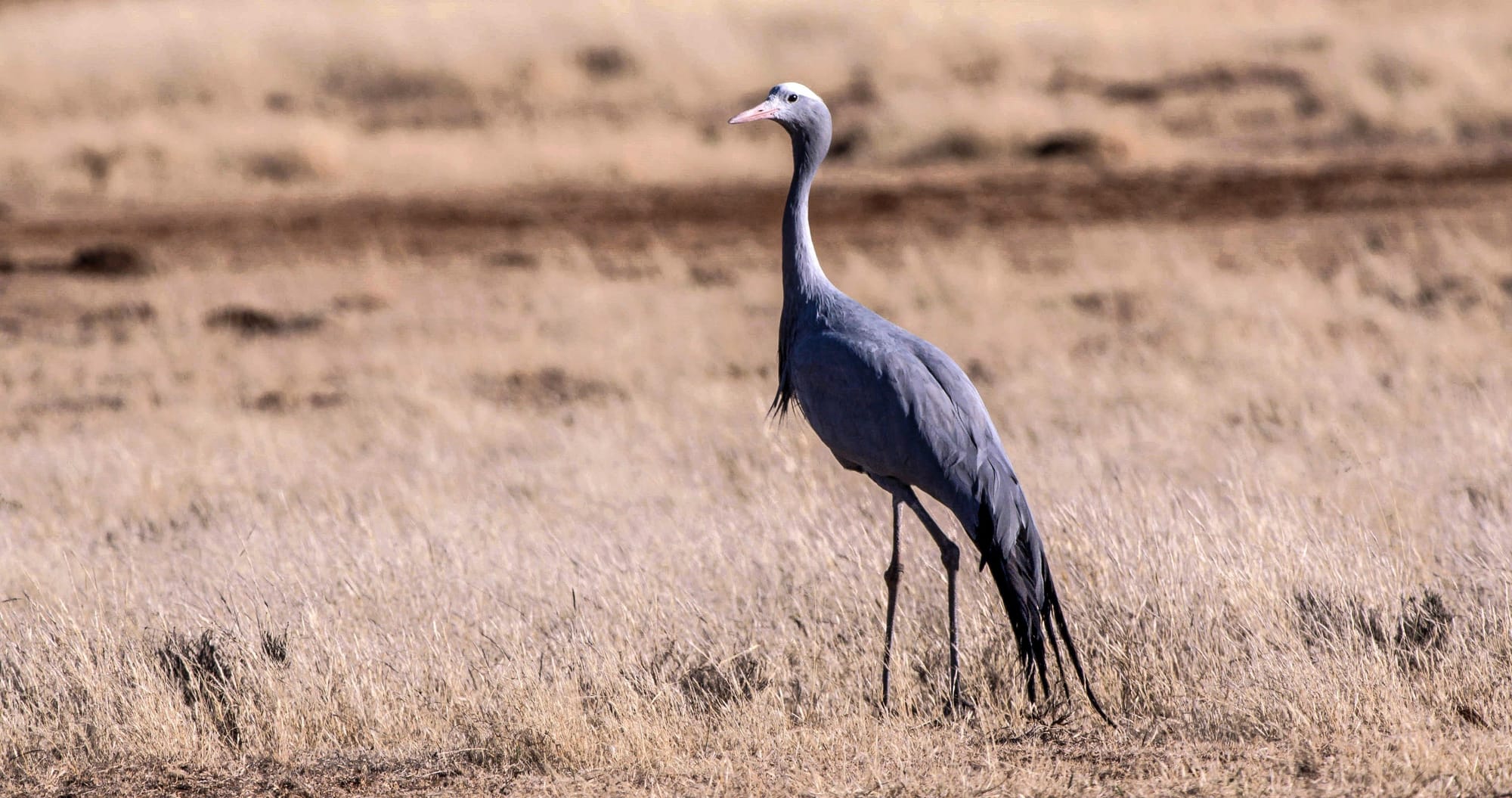
Observers should watch from a reasonable distance and avoid approaching nesting birds or disturbing a flock merely to obtain a photograph. If there is uncertainty about the species, a clear photograph can help conservationists identify it.
The Karoo is too large and sparsely populated for a small conservation team to survey alone. During the four days of the census, sharing even one familiar sighting could help place an important part of the Karoo on South Africa’s new crane map.
 Mariana Balt
 Charlotte Hayes
 Liz Thorne
Comments ()