
How a small fox helps protect grazing land across the Karoo
While the fox's presence may go unnoticed by travellers speeding along gravel roads, its nightly work contributes to the health of the veld itself.
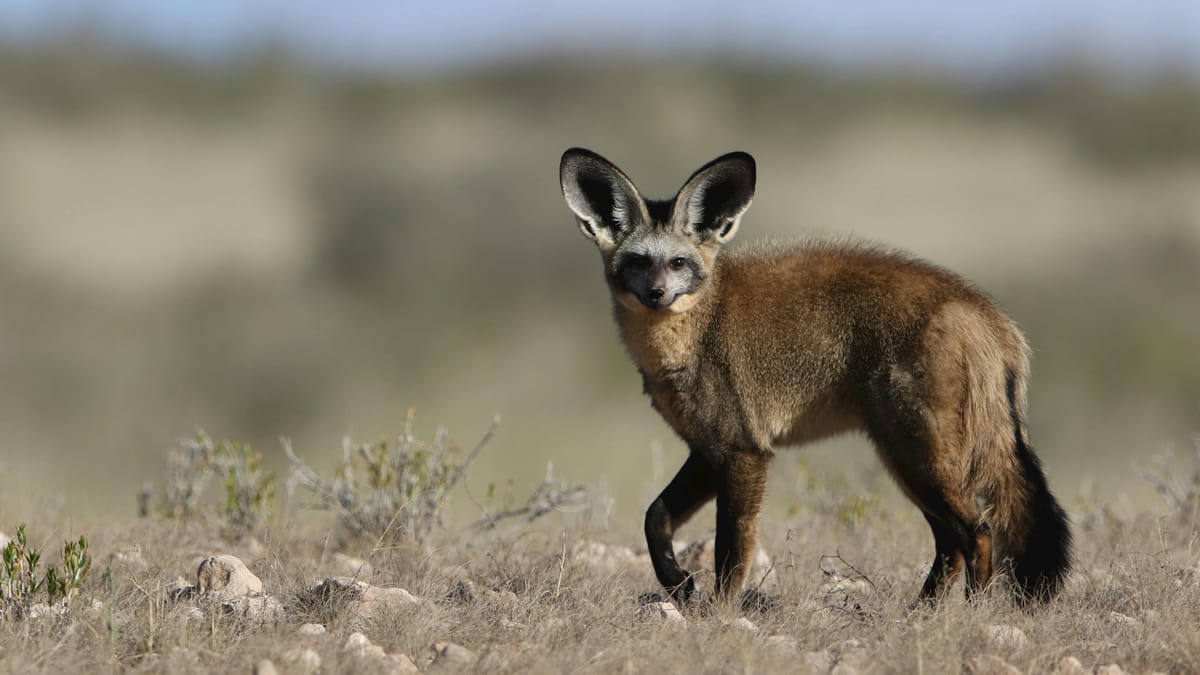

A small, ghost-like animal moves with startling precision through hushed grasses. The bat-eared fox is rarely spotted as its sandy coat blends seamlessly with dry soil and scrub; its oversized ears might peek out like delicate radar dishes above the veld. These animals play a surprisingly important role in maintaining balance across the region’s fragile ecosystems.
While farmers and conservationists often focus on larger predators, the bat-eared fox works quietly each night to remove thousands of insects that would otherwise swarm across grazing land and crops. Small, alert and highly specialised, these foxes are among the Karoo’s most efficient natural pest controllers.
Built for listening
The most striking feature of the bat-eared fox is its ears. Each ear can grow up to 13 centimetres tall, which gives the animal its distinctive silhouette. These ears function as highly sensitive listening devices capable of detecting the faint movements of insects beneath the soil.
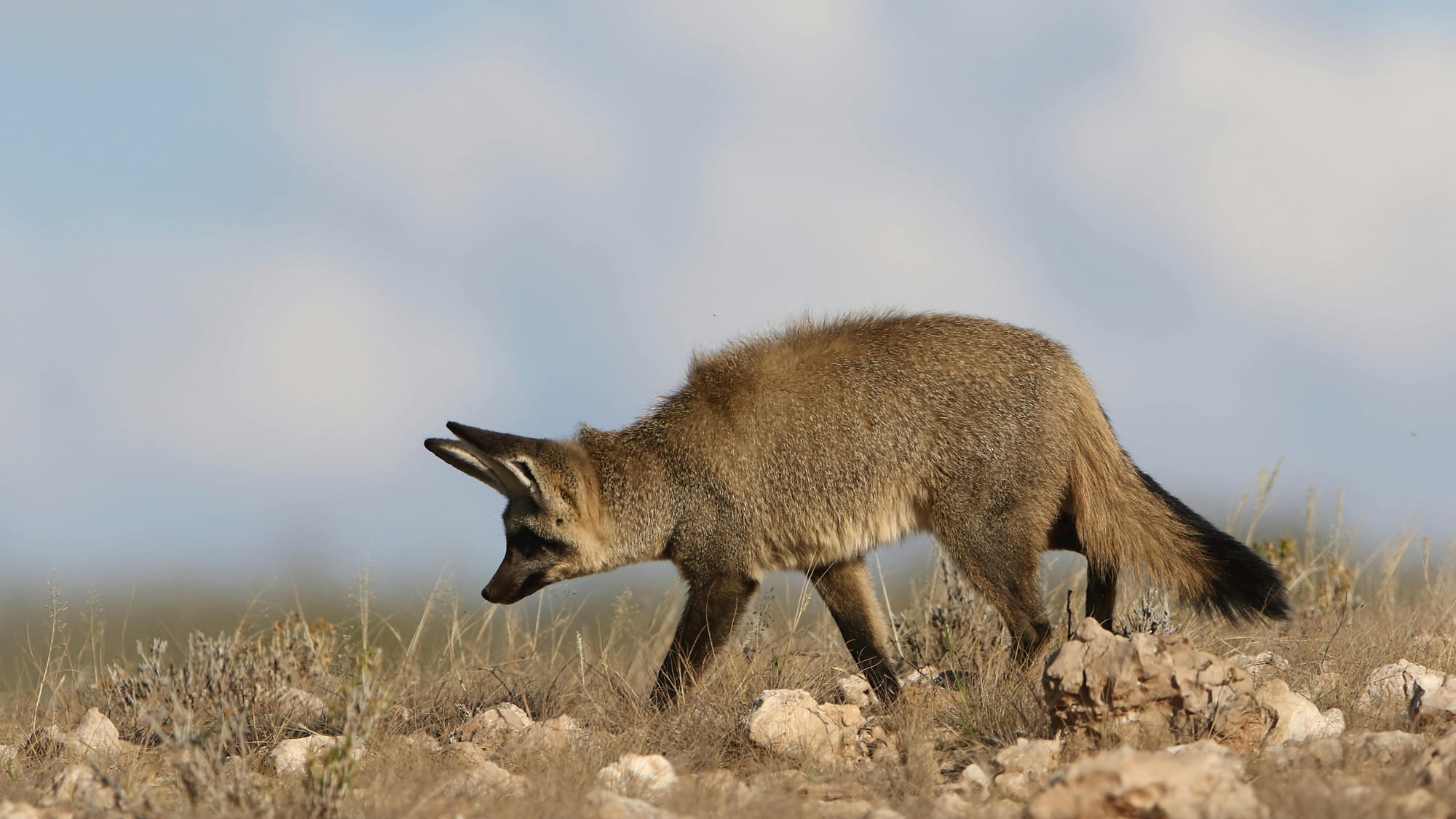
As darkness settles across the veld, the fox moves slowly through the grass while pausing frequently to listen. Termites rustling underground or beetles shifting through sand become easy targets. Once detected, the fox quickly digs with narrow paws before snapping up its meal.
This specialised hunting technique allows the species to survive in areas where food can be scarce. While other predators depend on larger prey, the bat-eared fox thrives on insects, especially harvester termites.
A single fox may consume thousands of termites in one night, which gives it a remarkable ecological advantage while also delivering important benefits to surrounding farmland.
Nature’s pest control system
Insects can quickly multiply when conditions are favourable. Termites, beetles and other invertebrates thrive after seasonal rain, spreading rapidly across grazing land and crop fields.
By feeding almost exclusively on insects, the bat-eared fox helps regulate populations that might otherwise surge out of control. This natural form of pest control reduces pressure on grasses and vegetation while supporting healthier grazing conditions for livestock.
Farmers sometimes overlook these animals because they rarely target lambs or poultry. Their diet remains overwhelmingly insect-based, which sets them apart from other small predators that often cause livestock losses. In practical terms, the fox reduces insect numbers night after night while requiring no chemicals, infrastructure or human intervention.
Perfectly adapted to Karoo life
Bat-eared foxes are exceptionally well adapted to the environmental extremes of the region. Their pale coats reflect sunlight during the day while helping them blend into dusty ground. Their long legs allow them to travel efficiently across open ground while their lightweight build conserves energy during long hunts.
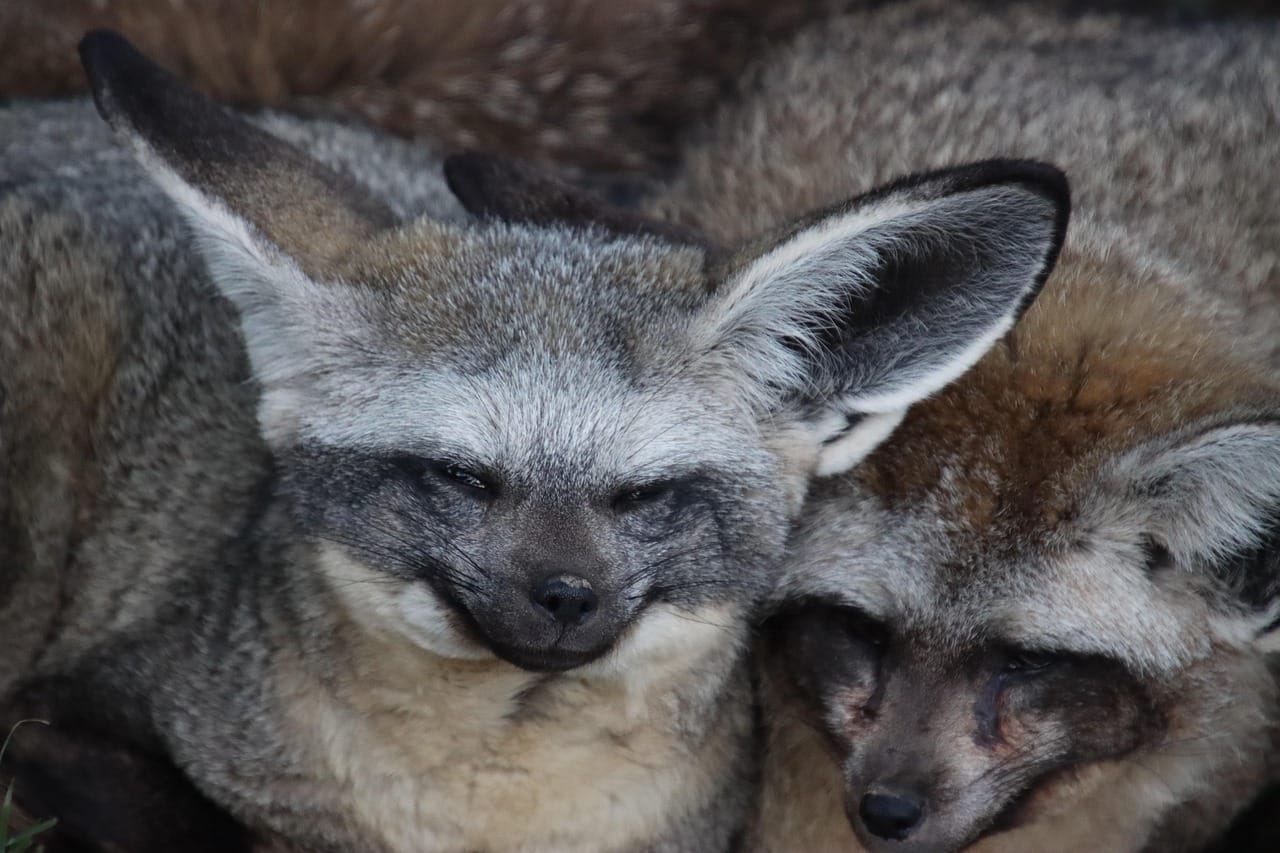
Social behaviour also plays a role in their survival. Bat-eared foxes often live in small family groups, typically a breeding pair along with their young. These groups share burrows which provide protection from predators as well as shelter from the intense Karoo sun.
Parental care is unusually balanced. Males frequently take on much of the responsibility for guarding and raising pups while females focus on feeding and recovery after birth. This cooperative approach strengthens the survival chances of each litter.
A fox that farmers can appreciate
Wildlife and farming do not always coexist easily. Predators are often a cause of concern in regions where livestock remains central to rural livelihoods. The bat-eared fox offers a refreshing contrast to that narrative.
Since its diet focuses on insects rather than mammals, the species rarely comes into conflict with farmers. Instead, it supports agricultural ecology by reducing insect populations that can damage grazing and crops.
Along with this ecological value, the fox contributes to the wider biodiversity of the Karoo biome. The fox's presence reflects a healthy terrain where natural food chains continue to function as they have for thousands of years. Recognising this role encourages a broader understanding of how small predators contribute positively to farming systems.
Guardians of a delicate ecosystem
While the fox's presence may go unnoticed by travellers speeding along gravel roads, its nightly work contributes to the health of the veld itself. Each beetle unearthed and each patrol across the grasslands strengthens the resilience of Karoo ecosystems.
The bat-eared fox is one of the unsung guardians of the Karoo ecosystem.



Comments ()