
How global conflict reaches the Karoo farm gate
A war involving Iran has already pushed global oil prices higher and strengthened the US dollar. This article explores how these changes in oil and currency markets could affect the rand-to-dollar exchange rate alongside farm costs and export prices for wool, mohair and meat in the Karoo.
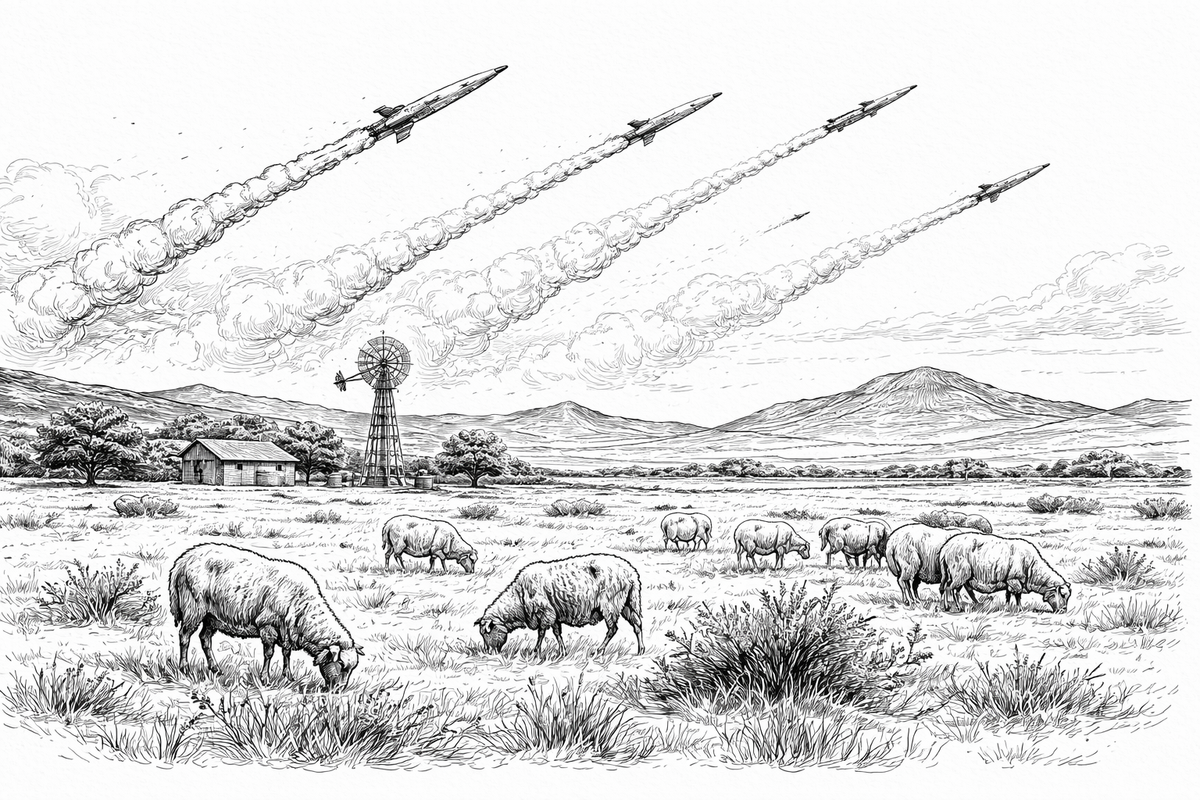
The Karoo might feel a world away from the streets of Tehran and the shipping lanes of the Middle East, but what happens there can travel fast into our fields and the numbers on farm gate invoices.
A war involving Iran (a country at the heart of the global oil system) has already begun to push oil prices higher and shake markets. This is relevant for the rand-to-dollar exchange rate, and in turn it affects wool, mohair and meat that Karoo farmers sell into global markets.
Only a few days ago, geopolitical tensions escalated with strikes and counter-strikes across Iran and neighbouring states. Markets reacted quickly.
Brent crude oil climbed 8 to 10 percent, briefly above $80 a barrel, amid fears that continued conflict could disrupt shipments through strategic chokepoints such as the Strait of Hormuz. This narrow waterway handles roughly 20 to 30 percent of global seaborne oil exports, so any threat to its operation feeds uncertainty into world energy supplies.
The immediate economic reaction has been to push the US dollar higher against the South African rand. Reports from financial markets show the rand weakening as oil prices rose and investors moved toward perceived safe havens, including the dollar. For Karoo farmers, this linkage (Iran to oil, oil to currency, currency to exports) is important.
How geopolitical risk echoes here
Currencies are one of the first places world events leave their mark. When global tension rises, investors often move capital toward safety, typically the US dollar. In the current situation, analysts say a stronger dollar has stemmed partly from war risk and higher oil prices. A weaker rand (a rand that buys fewer dollars) can, under normal circumstances, make South African exports more attractive abroad.
Wool, mohair and meat sent to Europe, Asia or the Middle East are priced in dollars; when the rand weakens, South African producers receive more rand for each dollar earned. That can support farm gate prices. But this upside is far from guaranteed, and in the midst of uncertainty it can be easier to feel downside than upside.
The world price of crude becomes our cost price
South Africa is a net importer of crude oil. When global oil prices spike, the cost of petrol and diesel here tends to rise because South African refineries and retailers must pay more dollars for every barrel imported. That was already evident when prices jumped and domestic fuel prices rose within days.
Higher fuel costs translate quickly into higher costs of farming operation: tractors use more to plough and trucks use more to deliver sheep or produce. Even if export revenue looks better in rand terms, input costs can offset that benefit.
Corners of the market feel it sooner
Higher oil prices and exchange rate weakness also feed inflation more broadly. Transport and fertiliser costs rise and shipping surcharges may increase while consumer prices at home climb. This is felt when farmers sell into local markets or buy goods and services locally. The ripple is not always straightforward, but it is real.
Economists quoted in South African media worry that sustained oil price increases and a weaker rand could put more inflationary pressure on the economy and complicate monetary policy decisions. That could keep interest rates elevated for longer, raising borrowing costs for farms and small businesses.
Exports sit on shifting ground
For Karoo producers who rely on wool and meat exports, the impact of war-driven volatility is affected by several forces.A weaker rand can make South African product cheaper abroad and more competitive, in theory. But global demand (which might soften if major importing economies slow because of higher energy costs) could temper that benefit.
Shipping disruptions or surcharges (already seen in fresh produce markets) may raise costs before products reach buyers. It is also worth remembering that the global exchange rate picture is not static. If conflict intensifies, or if a safe passage for oil is threatened for weeks rather than days, prices could move even more sharply.
Analysts warn that oil could inch above $90 or even approach triple digits if supply through the Hormuz strait is severely restricted.
That kind of shock would ripple through back-to-back markets: fuel, freight, imported inputs and local inflation pressures would all climb. A weaker rand might boost export pricing on paper in such a scenario but struggle to overcome rising costs of doing business on the ground.
Planning in the fog of uncertainty
For the Karoo’s farmers, this means overcoming a more complex environment than a simple “weak rand good for exports” narrative. Risk management becomes central - whether that is forward pricing contracts alongside fuel hedging or keeping a closer eye on international market signals.
If inflation rises and interest rates stay high, domestic demand and investment confidence can weaken. Exports in themselves are only one side of the ledger; what affects the farm gate is the net of revenue and cost.
A final note for the plains
The war in Iran reminds us that the Karoo does not operate in isolation. Even the grasses and flocks of our towns are tied into global flows of oil and trade.
When far-off conflict pushes up oil prices and alters the rand’s strength against the dollar, those fluctuations reach right into the most local of decisions: when to sell wool, how best to manage diesel costs and how to plan for the seasons ahead.


Comments ()