
How Karoo style entered the mainstream from farmhouse to feature spread
Karoo homes were never designed for magazines, but their architectural clarity and material honesty have made them a defining influence in modern interiors. This piece explores how a functional rural aesthetic evolved into a national design language.
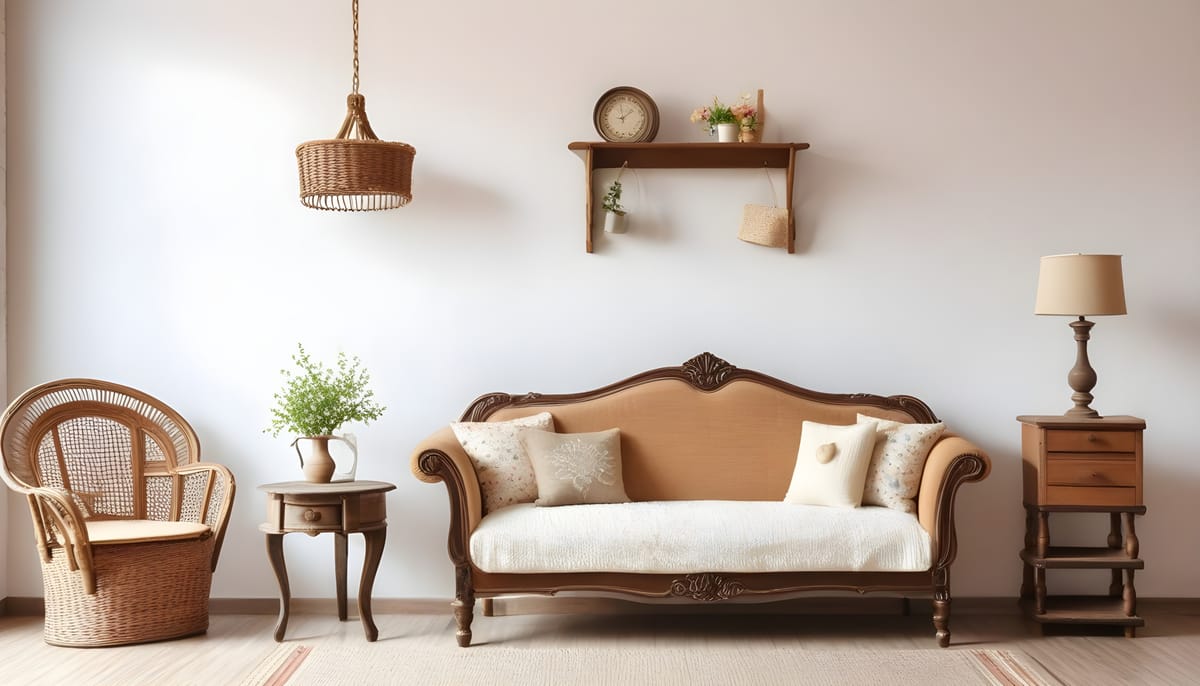
The Karoo home has existed outside the language of design for much of its history. These homes were originally structured by necessity, responding directly to climate and material availability.
Thick adobe or stone walls moderated extreme temperatures, and deep-set verandas extended the living space outward while offering protection from the sun; interiors were organised around utility and rural self-sufficiency. In this context, beauty was incidental, emerging through proportion, patina, and the honest use of materials.
What is striking, in retrospect, is how seamlessly these qualities have translated into contemporary visual culture.
Over the past decade, Karoo homes have moved from private, largely unexamined spaces into the pages of lifestyle magazines, as well as onto digital platforms such as Pinterest and Instagram, where they are now widely circulated as exemplars of restraint in texture and atmospheric living. This trend reveals that the architectural language of the region aligns uncannily well with current global sensibilities.
Restoration as a form of refinement
Many of the homes now featured in editorial spreads began as ageing farmhouses, often neglected or altered in ways that obscured their original character. Architects and designers approaching these projects have tended to resist heavy intervention, instead focusing on proportion and material integrity.
Layers of paint are removed to expose textured plaster beneath, and openings are adjusted to elevate the relationship between interior space and the surrounding landscape. The result is a recalibration that allows the inherent qualities of the building to surface more distinctly.
A dialogue between old and new
Where traditional Karoo homes accumulated objects over time, contemporary interpretations apply a more considered approach to composition, balancing inherited pieces with carefully selected modern elements.
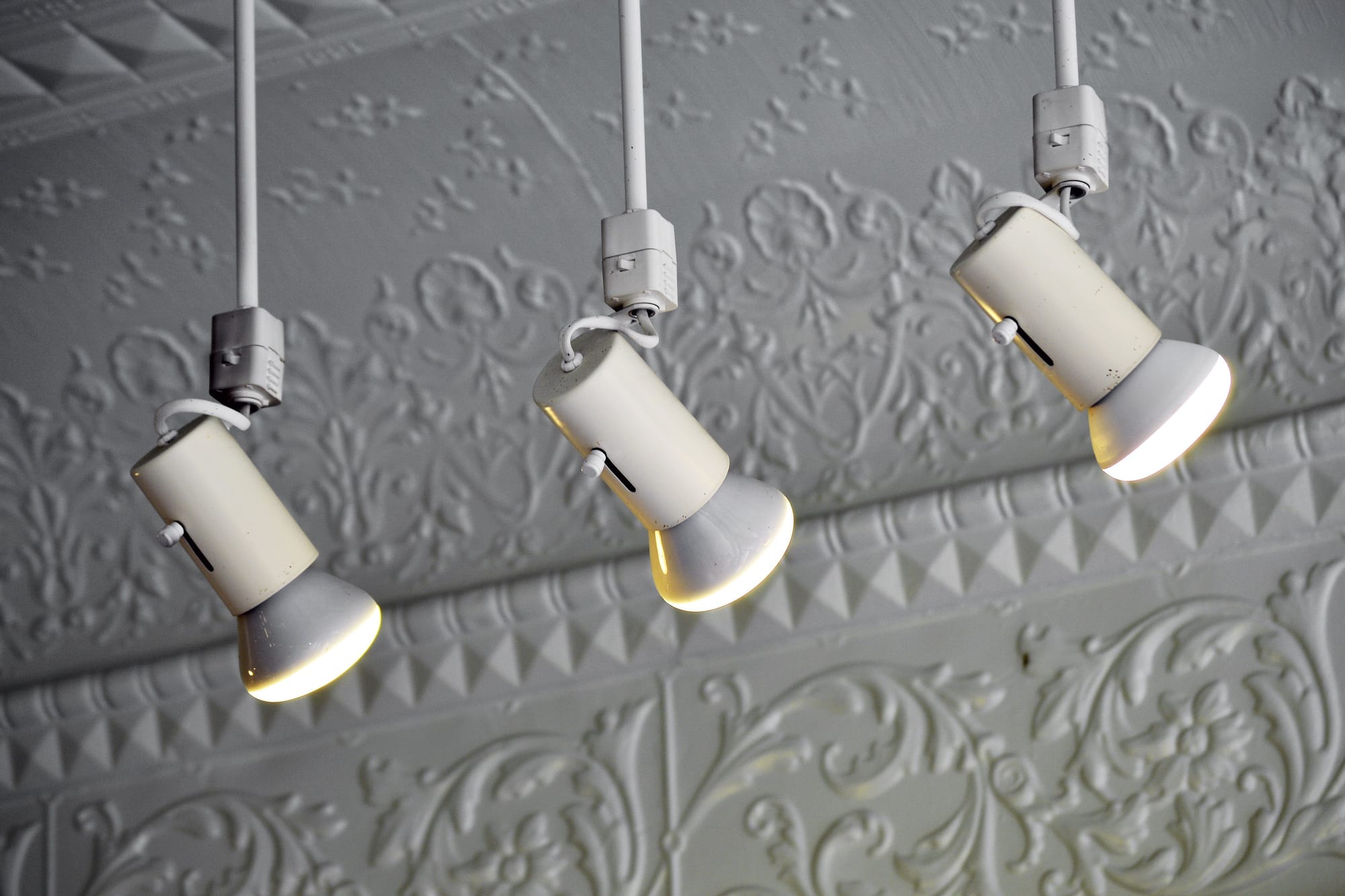
Antique furniture, often marked by wear and irregularity, is placed within pared-back spaces where its form and history can be read more clearly, while contemporary lighting and textiles introduce a level of precision that prevents the interiors from tipping into nostalgia.
The success of this approach is in its ability to maintain tension between past and present, allowing neither to dominate, while creating spaces that feel both nostalgic and current.
The guest farm as design laboratory
The role of guest farms in this process cannot be overstated. As the Karoo has become an increasingly sought-after destination for travellers, accommodation spaces have evolved to meet not only functional expectations, but also a growing appetite for atmosphere and visual coherence.
Guesthouses and lodges have, in many cases, become testing grounds for this refined Karoo aesthetic, where interiors are intentionally edited to foreground light and spatial clarity.
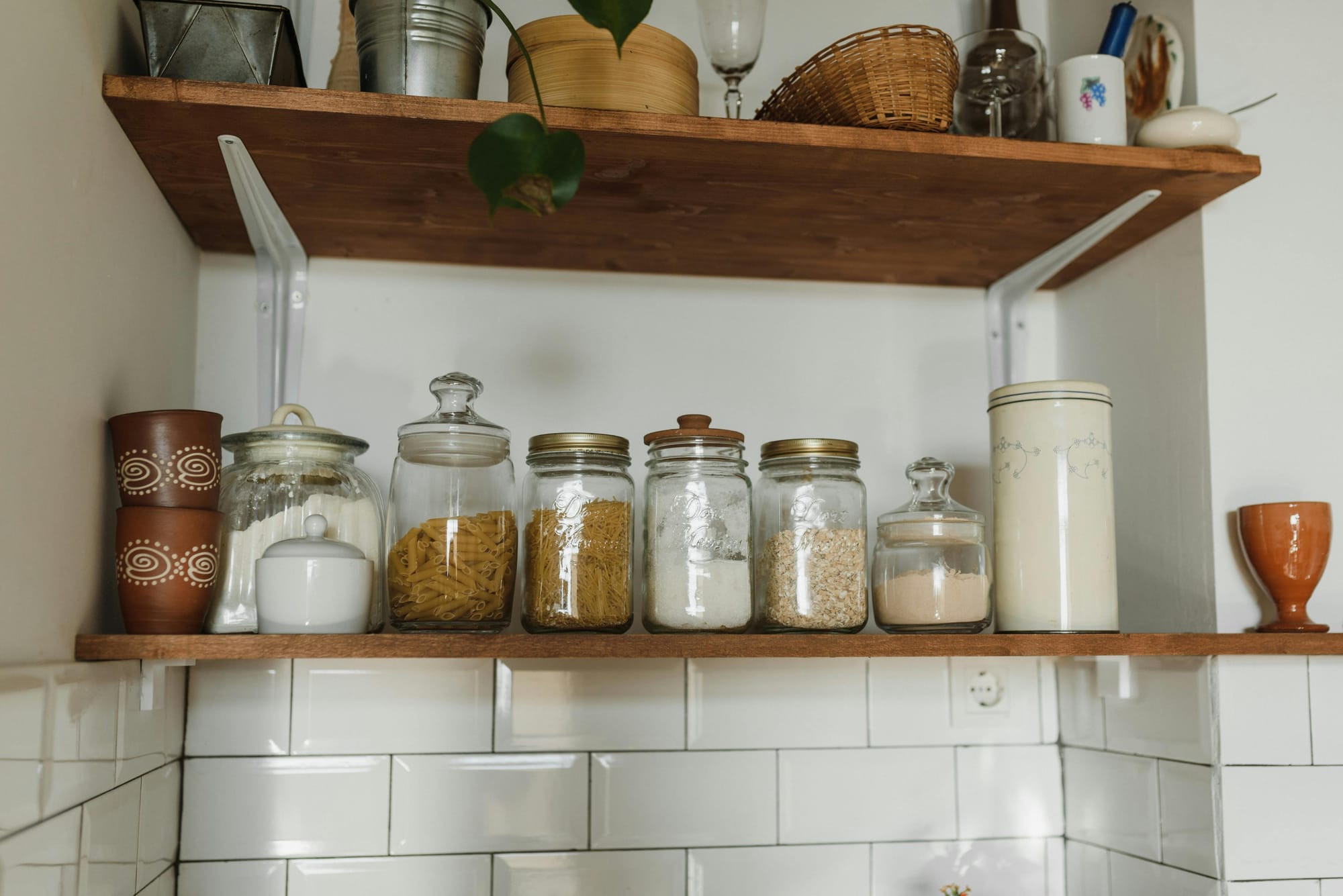
Bedding is layered in natural fibres, surfaces are left largely unadorned, and decorative elements are reduced to those that contribute meaningfully to the overall composition.
These environments are also acutely aware of their visual impact. The Karoo’s architectural and material language lends itself particularly well to photography, where soft natural light interacts with muted tones and tactile surfaces to produce seemingly effortless images.
In an era where interiors are increasingly consumed through screens, this photogenic quality has played a significant role in amplifying the reach of Karoo décor, allowing it to circulate far beyond its origins.
From regional style to national language
Urban homes, coastal retreats, and even compact apartments have started to incorporate elements associated with the Karoo, from lime-washed walls and earthy palettes to the careful juxtaposition of old and new furnishings.
This translation is not always literal. Rather than replicating the farmhouse typology, designers are extracting principles, including material honesty and a disciplined approach to decoration, and applying them within entirely different contexts.
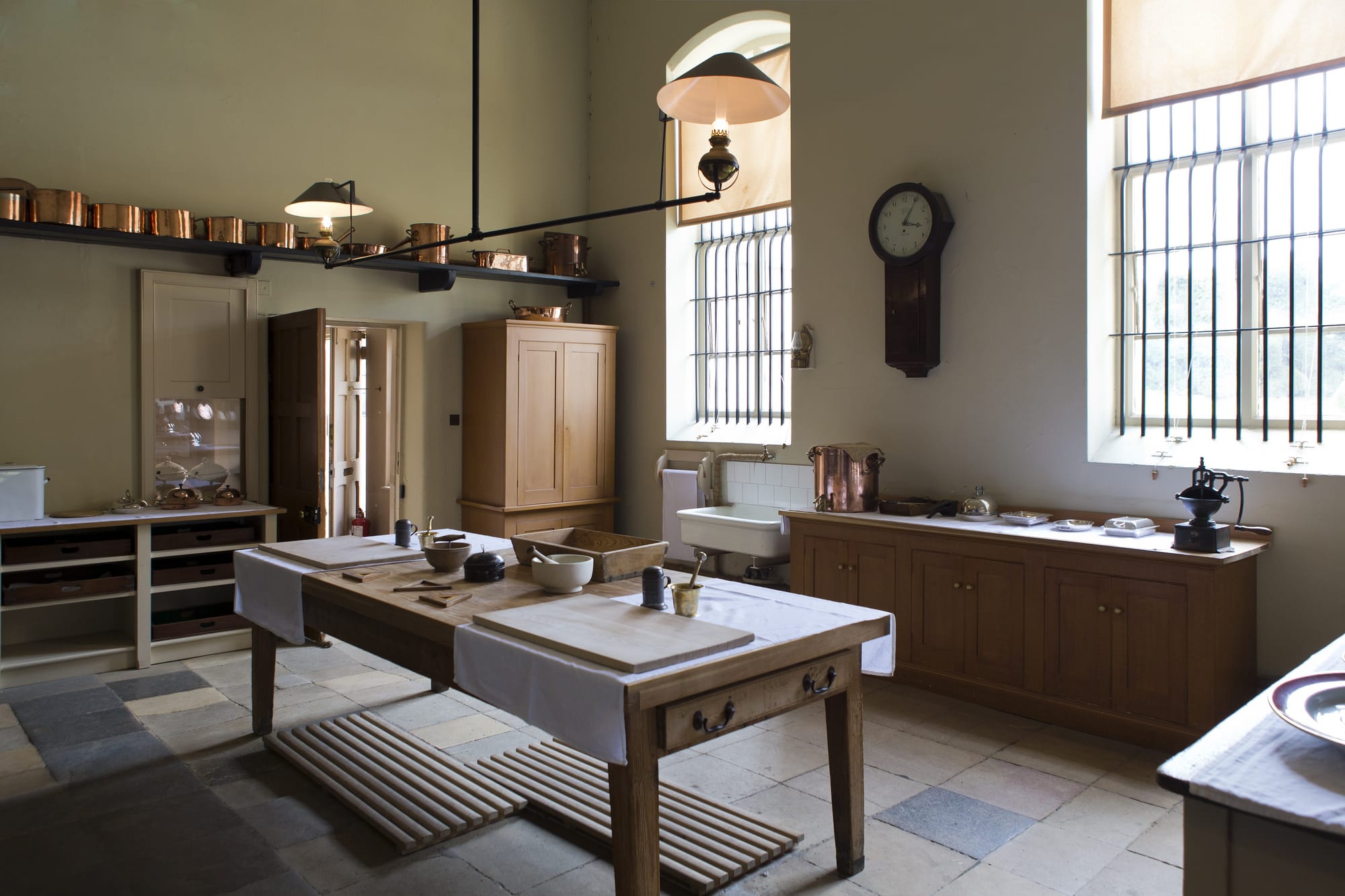
This process has positioned Karoo interior design within a wider movement toward what might be described as architectural quietness. In contrast to highly stylised or trend-driven interiors, the Karoo approach emphasises a sensitivity to environment that feels increasingly relevant in contemporary practice.
The risk of imitation without understanding
At the same time, the mainstreaming of Karoo style introduces certain tensions. As the aesthetic gains visibility, there is an inevitable risk that its defining qualities (restraint, imperfection, and material authenticity) may be reduced to surface-level motifs.
Lime wash becomes a finish rather than a response to climate, vintage furniture becomes a styling choice rather than an inheritance, so that the overall effect can slip into pastiche if not handled with care.
The challenge for designers and homeowners engaging with this language lies in preserving its underlying logic, so that the spaces remain purposeful rather than performative.
A heritage influence that continues to grow
What remains clear is that the journey from farmhouse to feature spread has been driven by a new need in South African homes. The Karoo’s architectural DNA, evolved over generations by necessity and environment, happens to resonate with contemporary desires for simplicity and connection to place.
As a result, what was once overlooked has become influential. In this sense, the Karoo home has not so much entered the mainstream as revealed itself to be ahead of it.


Comments ()