
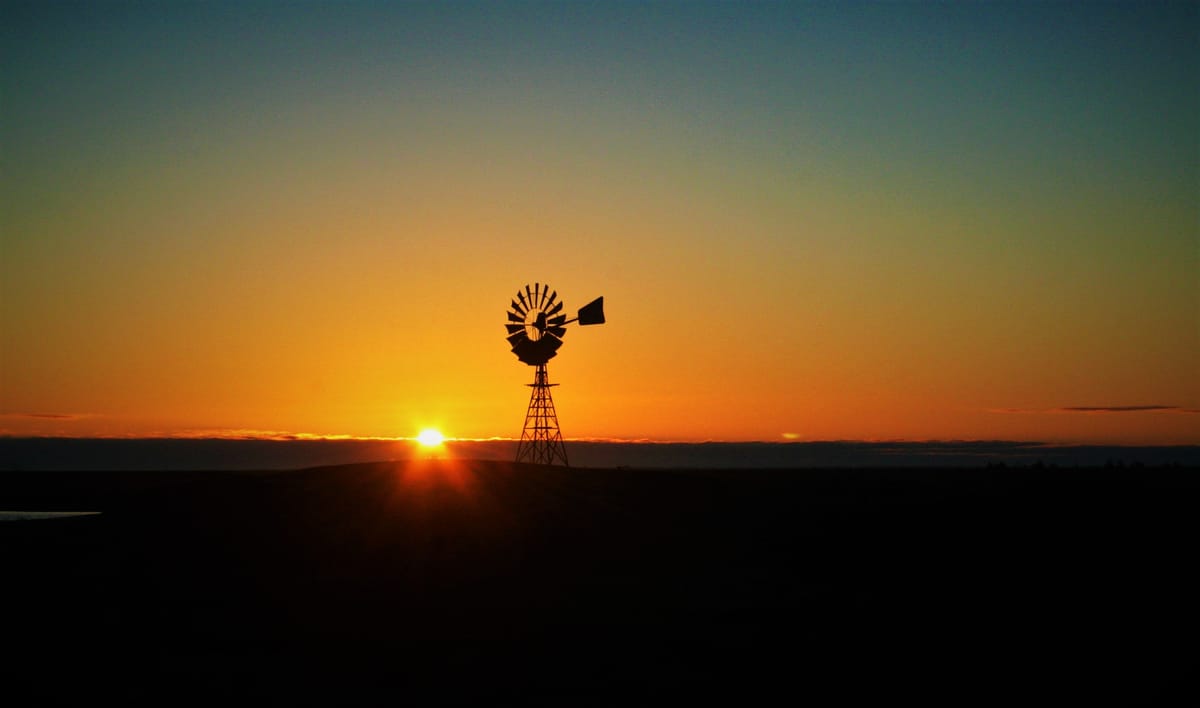
The expansion of Karoo farming during the twentieth century cannot be understood without recognising the role of the windpump. It increased productivity and boosted the agricultural economy that still supports many rural communities today.

Long before steel windpumps came to define the horizon, water dictated almost every aspect of life in the Karoo. Livestock could only graze within reach of reliable water sources such as seasonal rivers or shallow wells, which limited how much land could be used effectively. Large portions of otherwise productive veld remained inaccessible simply because animals could not survive far from water.
The result was a region of scarcity in which water determined where people settled and how farms operated. That all changed with the introduction of a new technological solution.
 Naomi Roebert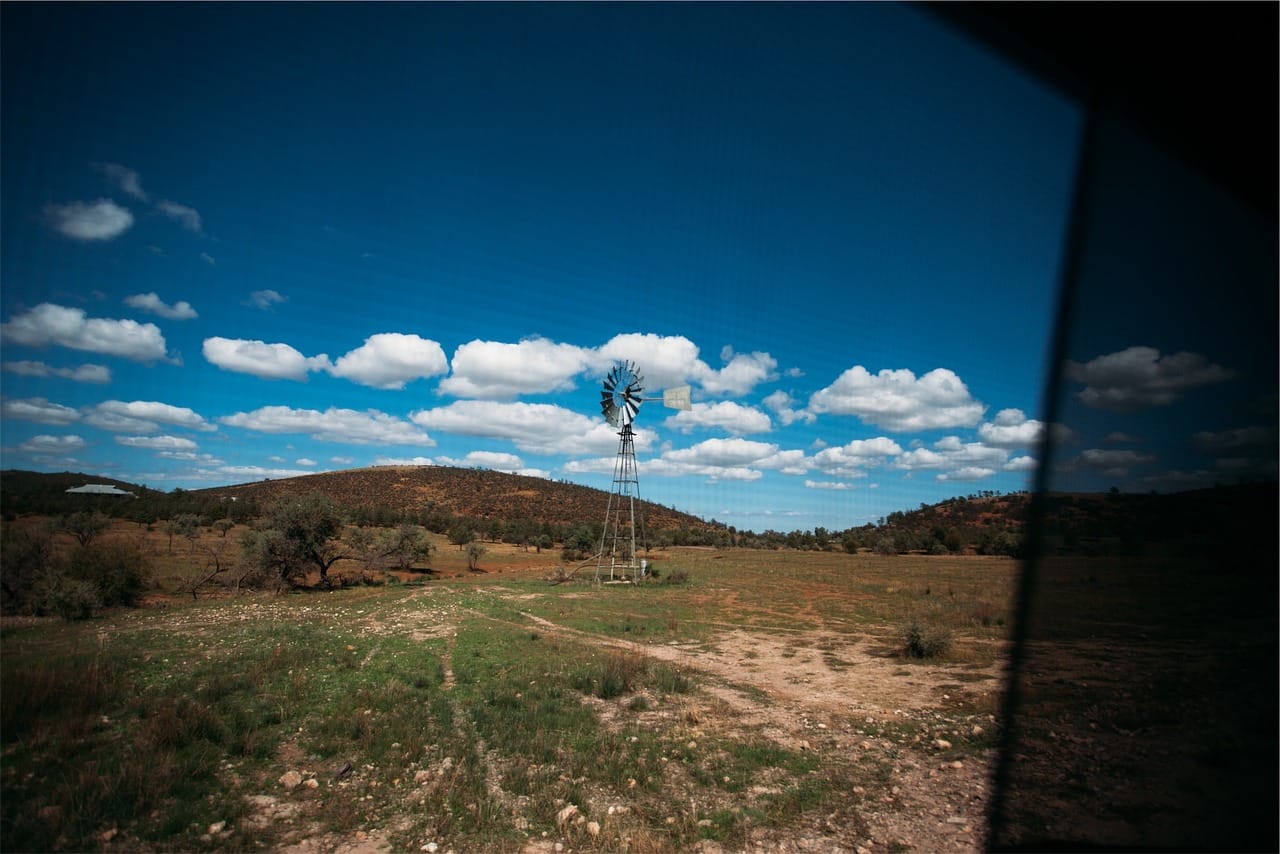
The arrival of a revolution
The first wind-driven water pumps began appearing in South Africa during the late nineteenth century. These machines were imported from Europe and North America to harness the region's abundant wind and draw groundwater from deep underground.
The windpump was cutting-edge technology. Farmers who installed one gained access to water sources that had previously been unreachable. Areas once considered marginal suddenly became productive grazing land.
The machine fundamentally altered what was possible. As windpumps spread across the Karoo, they unlocked new opportunities for agricultural expansion while helping farmers establish more reliable water supplies in an unforgiving environment.
The hidden world beneath the Karoo
The Karoo sits above a complex network of underground aquifers. These natural reservoirs store water within layers of rock, often hundreds of metres below ground. Boreholes allow access to these reserves, while windpumps provide the energy needed to bring the water to the surface.
This relationship between wind, machinery and groundwater transformed farming across the region. Many visitors see the steel wheel turning in the distance, but few realise it connects to a vast hidden water system beneath their feet.
How windpumps changed farming
The impact on agriculture was profound. Reliable water points allowed farmers to establish additional grazing camps and make use of land that had previously been underutilised.
The expansion of Karoo farming during the twentieth century cannot be understood without recognising the role of the windpump. It increased productivity and boosted the agricultural economy that still supports many rural communities today.
 Naomi Roebert
Remaking the land
The influence of the windpump extends far beyond agriculture. The location of windpumps determined the physical layout of countless farms. Viewed from a hilltop, much of the Karoo's structure is shown through these water networks. The windpump became an organising force that influenced how people interacted with the land.
The sound of the Karoo
The echoing creak of a working windpump formed part of everyday life. Farmers learned to recognise subtle changes in sound that signalled maintenance was needed. Children grew up hearing the steady turning of wheels during windy afternoons and still nights alike.
The windpump gave a voice to a region of silence and became inextricably part of the sensory experience of the Karoo itself.
From necessity to symbol
Modern electric and solar pumps now provide an increasingly common alternative. They require less maintenance and operate even when the wind is still. Many traditional windpumps have fallen silent, but their cultural significance endures.
The windpump has become one of the defining images of the region and has transcended its practical purpose to become part of the Karoo's identity.
The windpump still captures the imagination; it tells the story of the constant search for ways to live within the limits of the land. This humble innovation is one of the most important symbols of Karoo history and one of the forces that helped build the region we know today.
 Naomi Roebert
 Mariana Balt
 Liz Thorne


Comments ()