
Karoo seed onions surge in global markets as drought strategy pays off
As global interest persists and markets diversify, Karoo seed onions remain a vivid example of how adaptation can take root in unlikely places.
🔴 You might also like to read:
 Naomi Roebert
The Karoo Highlands around Williston, Fraserburg and Calvinia have long been known for open plains and tough conditions. In recent years those same arid factors have become home to a farming niche capturing international attention and strengthening earnings amid dry spells.
Carefully managed seed onion production from this part of the Northern Cape now draws buyers from markets across Europe, Asia and beyond while helping local producers survive drought stress.
A valuable niche that spans continents
The seeds produced here are not typical supermarket bulbs. They represent genetic material destined to grow future crops from Holland to Japan and the United States.
Demand for quality onion seed has risen in step with pressures on water and predictable growing seasons worldwide. In a global seed market expanding steadily, regions that can supply reliable genetics are increasingly prized.
Karoo seed onions are sought partly because the region’s climate suppresses many diseases and pests that trouble wetter, more humid areas. Cold winters, low disease pressure and open soils make the Karoo attractive for seed multiplication and have helped build a reputation that appeals to international buyers.
Risk, rewards and diversification
Turning land over to seed onions is not a light decision. Input costs can be substantial, and the risk profile is different from other Karoo enterprises. Costs related to bulbs, fertilisers, labour and technical requirements add up, and producers must meet rigorous quality standards before seed is cleared for export.
That said, when conditions align, returns can help stabilise farm finances in otherwise difficult years. International contracts often pay in stronger currencies, which can protect revenue when local prices are under pressure.
This financial diversity spreads risk across enterprises on mixed farms rather than relying on a single commodity.
How the cycle works
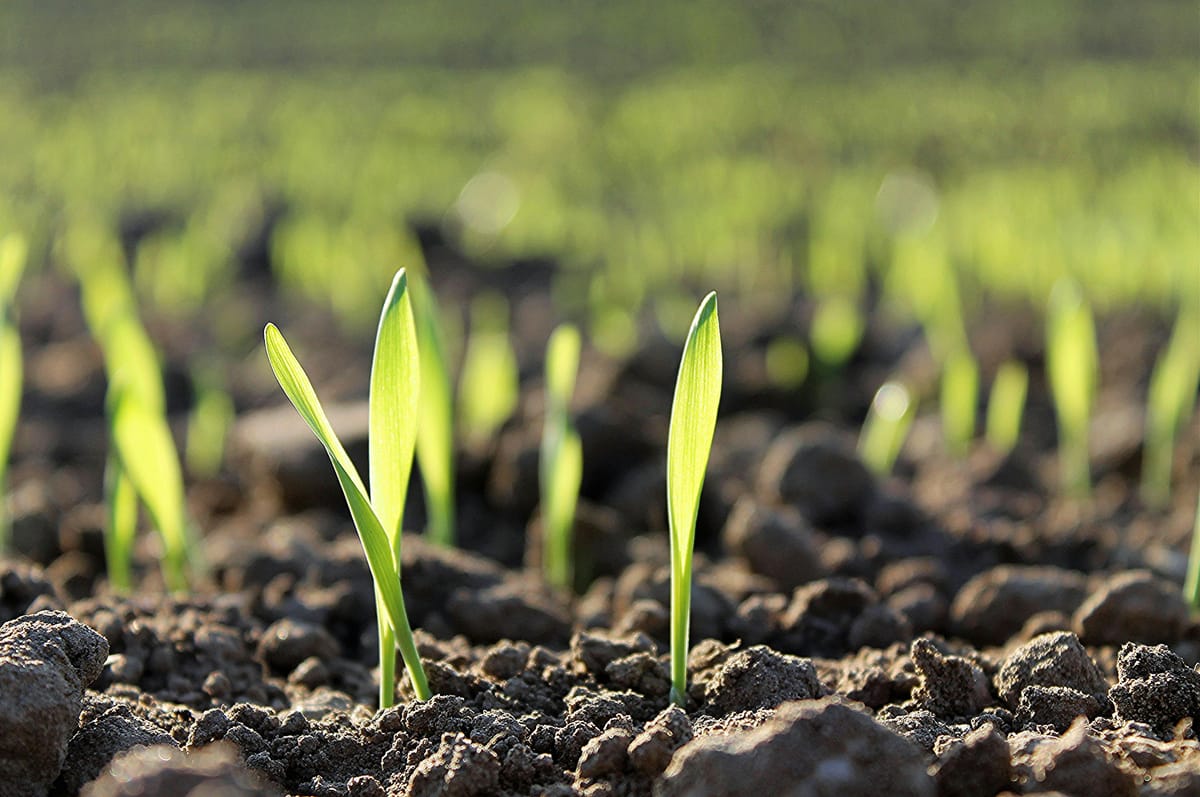
Onion seed production follows a precise annual cycle. Bulbs are planted in April and establish through the cooler months. By spring they flower, attract pollinators and set seed. Harvest typically occurs from mid-December into early January, after which seed is dried, cleaned and tested before shipment.
International agreements with seed companies see that planting materials and technical support flow into the region, while buyers set specifications for purity and plant traits before contracts are finalised. This structure gives producers a roadmap for quality and meets the expectations of demanding markets.
The intricacies of labour
Behind each hectare of seed lies detailed work and seasonal labour. Fields are planted by hand to ensure correct bulb orientation and density, and later, workers harvest umbels at the right moment after pollination is complete.
Seasonal employment in this segment has become one of the larger sources of temporary work in the local economy.
Seed production has also changed how some farmers approach risk. With predictable invoices tied to contracted seed, operations can balance cash flow across sheep, fodder and other enterprises that vary with weather.
For producers earning income in local markets while contracting seed globally, the diversification can act as a buffer during dry seasons.
Challenges and water stewardship
Still, the Karoo environment remains demanding. Water availability is always front of mind, and efficient irrigation techniques are essential. Producers typically use drip systems that allow precise application and careful tracking of usage.
Groundwater remains precious, and farmers who work in seed production plan cropping cycles with fallow periods to protect soil and manage aquifer reliance responsibly.
Disease management and frost risk also affect their decisions. Planting blocks are rotated with fallow years to limit pathogen build-up, and frost events remain one of the most disruptive forces during flowering or early seed set.
These risks underscore why seed production is considered a specialist segment rather than a casual addition to farm operations.
Position in global markets
Karoo seed onions are one piece of a broader global market that continues to grow as farmers around the world seek varieties suited to their unique climates and production systems. Projections for the worldwide onion seed market point to expansion in the decade ahead, underpinned by rising demand for diverse cultivars and improved genetics.
The ability to compete with other seed-producing regions stems from this land’s environmental advantages and the care producers bring to meeting stringent export criteria.
Those factors, combined with disciplined water use and thoughtful risk management, have given South Africa’s seed lines a foothold on the world stage.
A future of adaptation
As global interest persists and markets diversify, Karoo seed onions remain a vivid example of how adaptation can take root in unlikely places.
What began as a niche conversation about risk mitigation amid drought has grown into a sustainable strategy that strengthens farm incomes while linking arid South African place to agricultural systems across the globe.
🔴 You might also like to read:
 Naomi Roebert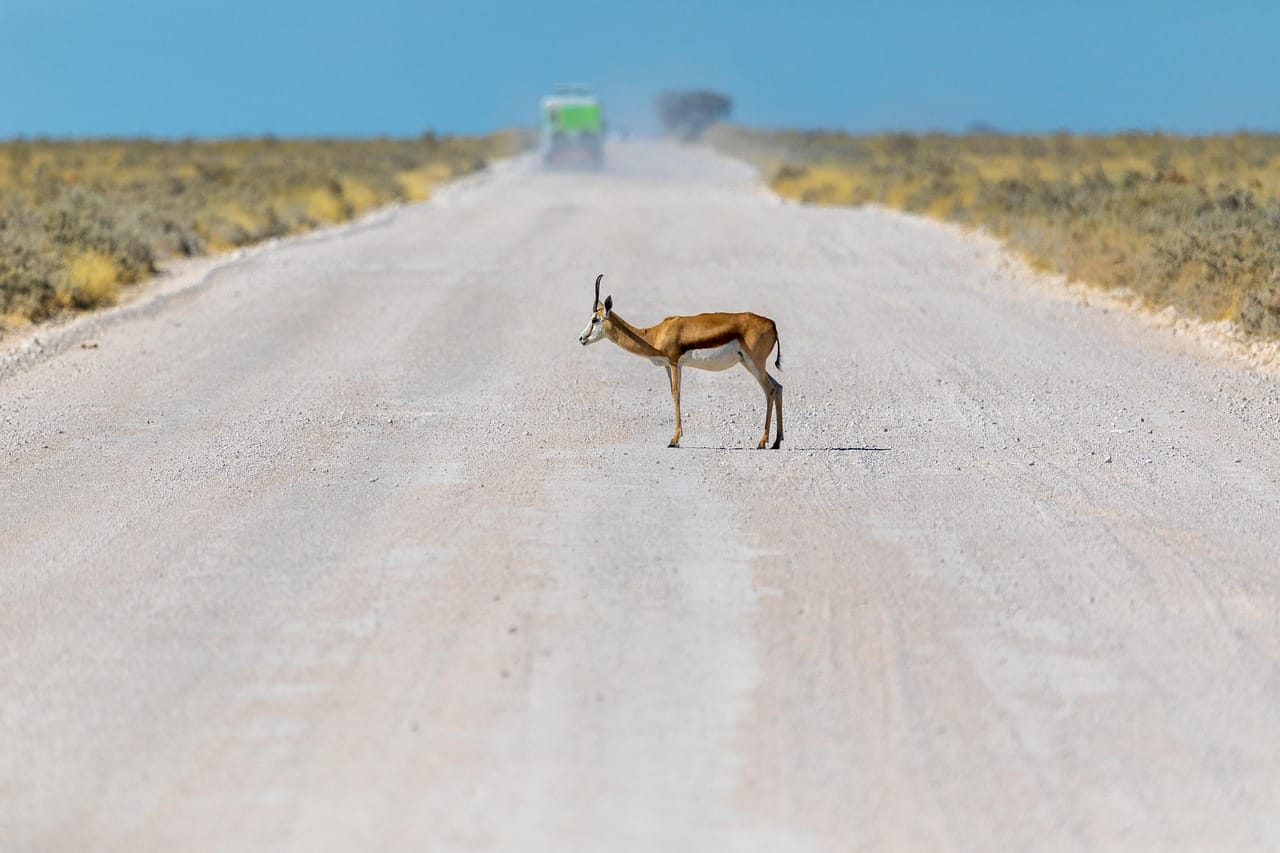
 Naomi Roebert
Comments ()