
Saving the small things: why insects and grasses matter more than we think
Conservation does not always start with headline grabbing species or sweeping policies. Often it begins by simply brushing aside the gravel to find the life below.
🔴 You might also like to read:
 Naomi Roebert
Karoo conservation often focuses on wildlife herd numbers and rainfall, and while those issues matter, the most powerful drivers of veld health live closer to the ground.
Beetles, ants, moths and flies, along with the tough perennial grasses threading through rocky soils, all keep entire systems together. While their work is rarely glamorous, without it farms and fragile ecosystems would struggle to endure.
The hidden workforce beneath our boots
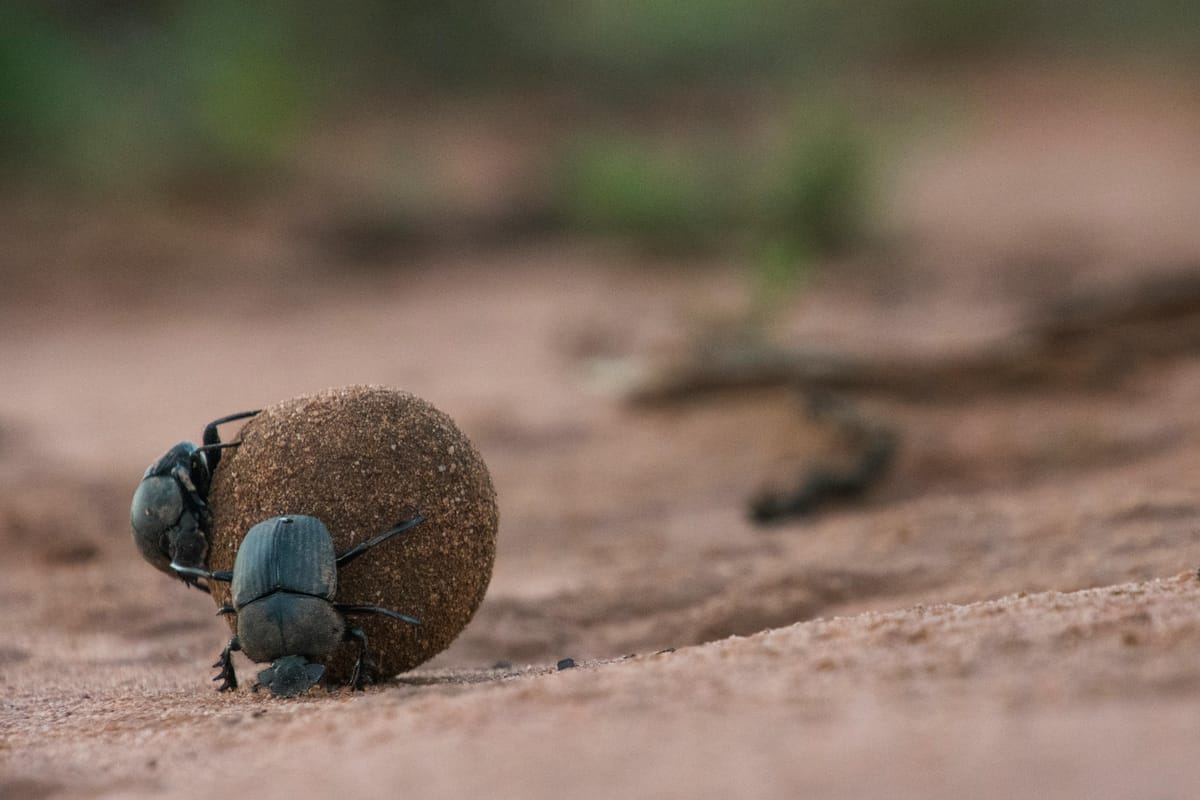
Insects form the engine room of semi-arid regions. Pollinators move between flowering shrubs; elsewhere, dung beetles bury livestock waste while recycling nutrients and termites loosen compacted soils so that rainwater doesn't race across the surface.
Each action appears minor in isolation but together they regulate fertility as well as water flow and plant regeneration.
Grasses complete this partnership. Deep rooted species anchor topsoil during dry spells while storing moisture underground, which allows pastures to rebound after grazing or fire.
While annual plants add colour in wet years, it is the hardy perennials that stabilise the veld over decades. Where these grasses thin out, bare patches widen and erosion accelerates, taking seed banks and microbes along for the ride.
Farmers who monitor insect activity often spot veld changes long before seasonal reports confirm trouble. Fewer beetles in kraals or ants abandoning long used nests can signal declining organic matter or chemical imbalances that demand early attention.
What science is revealing about fragile systems
Research in semi desert environments increasingly points to insects and grasses as early warning systems. Declines in pollinator diversity tend to coincide with shrinking wildflower displays, while reduced soil invertebrates often precede falling carbon levels and poorer water infiltration.
Ecologists describe these organisms as keystone species, meaning their influence outweighs their size. Healthy invertebrate communities drive decomposition, which releases nutrients that feed grasses and crops. In turn, dense plant cover cools soil surfaces and moderates evaporation.
Such feedback loops sit at the heart of biodiversity in drylands. Break one strand and pressure ripples outward.
Practical changes affecting farm management
Landowners across the interior who are experimenting with regenerative techniques have begun changing grazing systems to protect ground cover while allowing insect populations to rebound.
Rotational camps give grasses time to recover and reduce trampling during vulnerable growth phases. Some producers have trimmed chemical use, opting instead for targeted treatments that spare beneficial insects.
Other changes involve slowing water. Small stone packs in gullies and reseeded drainage lines reduce the runoff during storms while trapping organic debris that insects quickly colonise. These micro habitats act as nurseries for grass seedlings and soil organisms alike.
Several farmers now track veld health through simple field observations. A spade in the soil reveals earthworm tunnels and termite galleries that signals life below the crust. Dung beetle numbers provide another low-cost indicator of pasture vitality, along with flowering diversity after summer rains.
Such efforts fall under the growing banner of rangeland restoration, where productivity and ecological repair move forward together.
Why tourism and wildlife also depend on the small stuff
Visitors drawn to the Karoo for stargazing and sweeping plains rarely come for the insects, but these creatures underpin the experience. Flower rich veld attracts birds, reptiles and antelope that photographers prize. Stable grasslands reduce dust clouds along gravel roads and prevent flash floods from gouging hiking routes after storms.
Nature guides increasingly weave these connections into walks, pointing out how beetles recycle carcasses or how seed heads reveal rainfall patterns from years past. Guests leave with a richer understanding of the region, which strengthens conservation minded travel.
Private reserves benefit in similar ways. Reintroduced wildlife depends on hardy forage while predators rely on prey sustained by healthy grazing systems. Small organisms maintain that foundation season after season.
A new mindset taking root
Protecting insects and grasses requires patience. Success appears in subtle cues such as thicker tussocks around rocks, a return of buzzing at dusk or soils that darken as organic matter accumulates. These signals reassure farmers balancing tight margins with long term survival.
The future challenges remain steep. Rising input costs and pressure on water resources will continue to test rural survival. The lesson emerging from the veld is clear though: conservation does not always start with headline grabbing species or sweeping policies. Often it begins by simply brushing aside the gravel to find the life below.
🔴 You might also like to read:
 Naomi Roebert
Comments ()