
Small mysteries of the Karoo
These everyday details reveal how closely life in the region is affected by climate and earth.
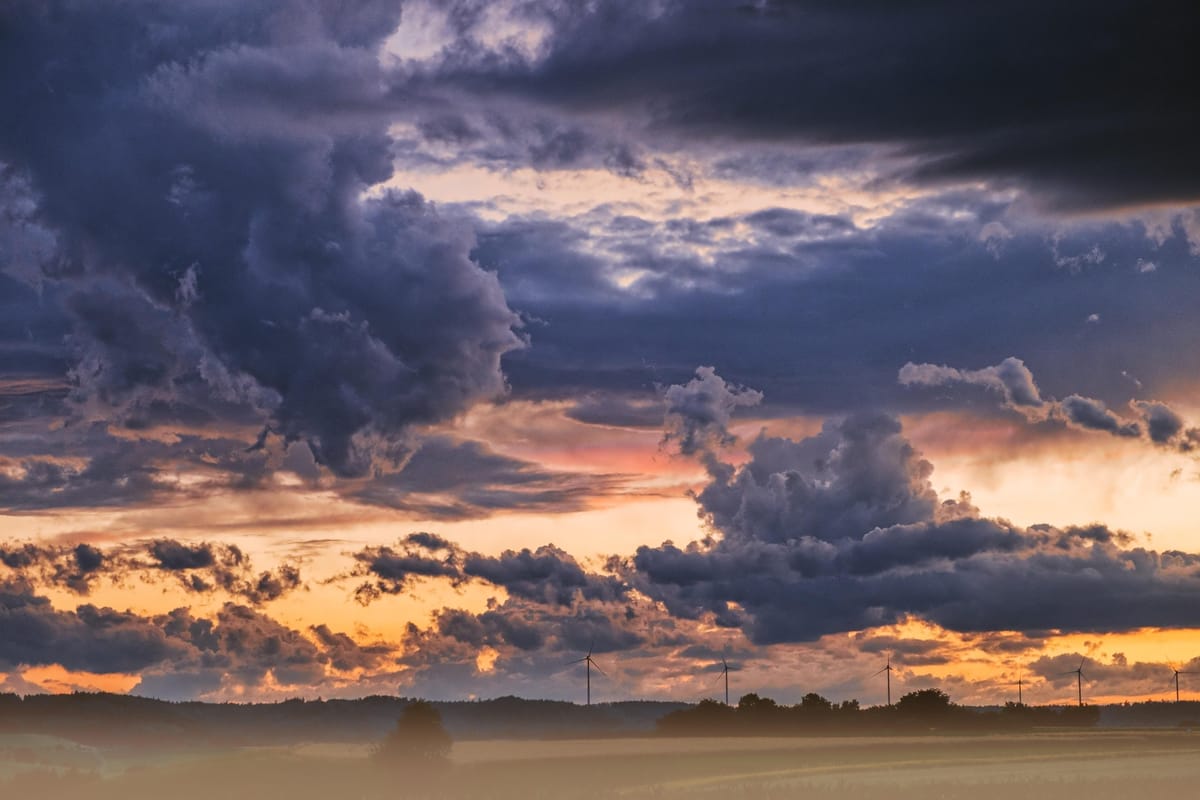

Life in the Karoo is full of small observations that visitors quickly notice but cannot always explain. Each is the result of climate, geology or practical experience gathered over generations. The Karoo rewards people who watch closely, while its everyday details often reveal how finely tuned life here has become.
Why windpumps seem to thud underground
The strange echo of a Karoo windpump is part of rural life across the region. When the wind turns the wheel, a system of rods and pistons deep inside the borehole lifts water slowly to the surface.
Standing close to a working windpump, particularly on a calm day, people sometimes notice a faint thudding sensation that appears to come from beneath their feet.
The explanation lies in the mechanics of the pump. A windpump operates through a long steel rod that moves up and down inside the borehole. At the bottom sits a piston that pushes water upward through the pipe. Each stroke creates a small vibration that travels down the casing and into the surrounding rock and soil.
Because the Karoo is so quiet, those vibrations can travel surprisingly far. When the ground is firm and dry, the movement can feel stronger than expected. The effect is not dangerous or unusual but is simply the physical movement of heavy equipment operating below ground.
To most this is just a signal that the system is working and that water is being lifted from deep underground aquifers.
Why tortoises appear after rain
A Karoo rain often produces a unique sight along farm roads and dirt tracks. Tortoises begin crossing open ground, sometimes in numbers that seem surprising after weeks of dry weather.
These animals have not suddenly arrived from elsewhere. The Karoo tortoise was already present in the surrounding veld, usually sheltering beneath shrubs or in shallow depressions where temperatures remain slightly cooler.
Rain changes the region abruptly. Moisture softens the soil and triggers new plant growth, especially among succulents and short-lived grasses. Tender shoots appear within days. For tortoises this provides fresh food and a brief window of opportunity.
The animals respond by becoming more active. They move further in search of food and mates while also drinking from temporary pools or damp soil. Increased movement makes them more visible to people travelling along farm roads.
The sudden appearance of tortoises after rain reflects how wildlife in dry regions responds quickly to changing conditions.
Why farmhouses face certain directions
Many traditional Karoo farmhouses follow a similar pattern. The main front of the house often faces north or northeast while verandas provide shade along the sides.
This layout developed for practical reasons. In the southern hemisphere the sun travels across the northern part of the sky during winter. A north-facing house therefore receives more sunlight during colder months, helping warm interior rooms naturally.
Summer conditions require the opposite approach. The strongest afternoon heat usually arrives from the west. By avoiding a west-facing front, farmers reduced the amount of heat entering the house during the hottest part of the day.
Wind also played a role. Certain parts of the Karoo experience strong seasonal winds, particularly from the southeast. Builders often positioned doors and verandas to provide shelter from dust and wind while still allowing fresh air to move through the house. Over time these practical decisions created a recognisable style of rural architecture attuned to climate rather than fashion.
Why Karoo clouds look different
The sky above the Karoo often feels unusually clear. Clouds appear sharply defined while sometimes building into tall formations during summer afternoons.
The region’s dry atmosphere plays a major role. Because the air contains relatively little moisture, clouds form in well-defined layers instead of spreading into thick grey cover.
Strong daytime heating also contributes to the shapes people notice. The land surface warms quickly under intense sunlight, causing warm air to rise. As that air rises it cools and moisture condenses into clouds. The process can produce large cumulus clouds that grow vertically rather than spreading outward.
Fine dust in the air adds another factor. Tiny particles provide surfaces where water vapour can condense into droplets. This process influences how Karoo clouds form and why they sometimes appear especially crisp against the deep blue sky.
The result is a sky that often looks bigger and clearer than skies in more humid regions.
Looking closely at ordinary things
The Karoo contains many details that demonstrate how closely life here is tied to natural conditions.
Paying attention to these small patterns reveals the region's subtlety, and those who take the time to watch begin to understand how its systems work.


Comments ()