
The difference between loneliness and solitude here
Outsiders may arrive expecting loneliness. Many leave having discovered that the quiet here is not empty at all.
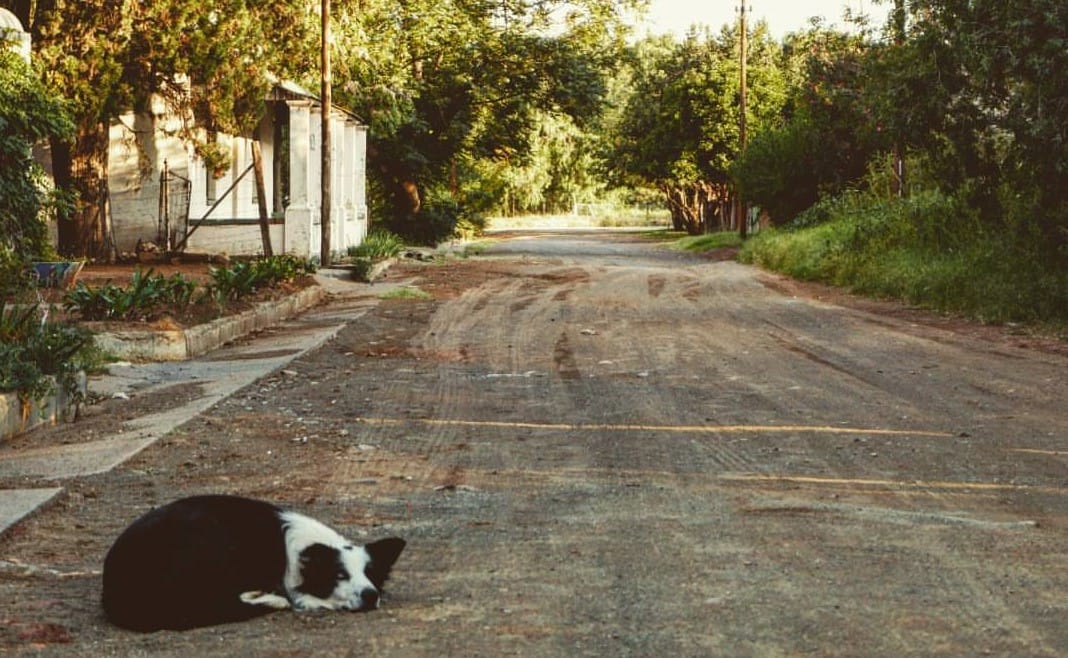

Visitors arriving in the Karoo sometimes make the observation that it is too quiet. The roads stretch away from towns paused in the heat; the night sky presses down a near-physical silence. For someone accustomed to traffic and constant motion, this stillness can feel unsettling.
The assumption follows that this must be a lonely place, but those who live here experience it differently. What outsiders often interpret as loneliness is solitude. The distinction may seem subtle but it affects how one experiences life in the Karoo, along with how one understands the nature of rural existence itself.
Loneliness is the absence of connection
Philosophers, psychologists and writers have long pointed out that loneliness is the painful feeling of disconnection from others. One can feel lonely in a crowd, while surrounded by noise and activity.
In cities this paradox appears frequently. Cafés are full and apartment buildings stack thousands of lives together, but many people experience isolation. The presence of others does not always translate into genuine connection.
Physical distance between people in the Karoo may be vast, but the emotional and social ties within communities often remain strong. A farmer might spend a day without seeing another person face to face and still feel firmly anchored within a web of relationships.
A phone call, a message or the knowledge that neighbours are only a farm road away often provides that sense of belonging. Loneliness arises when a person feels unseen or disconnected. Solitude emerges when a person feels comfortable in their own company.
Solitude is a chosen stillness
Solitude has long held a different reputation in philosophy. Writers from Henry David Thoreau to contemporary thinkers have described solitude as a condition that can sharpen perception.
A sheep-herd walking the veld with a small flock, a farmer checking windpumps before sunset, a writer sitting at a table while swallows sweep across a wide sky. These moments contain long pauses devoid of conversation but they rarely carry the emotional weight of loneliness. Rather, space is created for attention.
The vastness of the Karoo landscape offers few distractions while the long horizons gently pull the mind outward. One begins to notice small things, from the movement of light to the gradual appearance of stars as the evening cools.
Why outsiders struggle with the difference
For visitors from large cities, the absence of stimulation can feel uncomfortable. Urban life conditions people to constant interaction. Silence becomes rare while uninterrupted time alone can feel unfamiliar.
The Karoo silence can be confrontational at first, forcing a kind of reflection that busy environments often help people avoid. Someone searching for activity may feel restless while someone seeking space to think or recover from exhaustion often finds the Karoo unexpectedly restorative.
Community beneath the quiet
The misconception that the Karoo is lonely also overlooks the nature of rural community. Social life in small towns does not always revolve around constant gatherings or visible crowds, but it does happen constantly.
A farmer stops to check on a neighbour after a storm to ferret out their rainfall total before attending a church service where nearly everyone in the room knows each other’s family history. These interactions create a subtle network of support. The town may appear still on a weekday afternoon while beneath that stillness people remain linked through relationships built over decades.
The value of space in a crowded world
Modern society increasingly treats solitude as something suspicious. Time alone can be interpreted as isolation or withdrawal while constant connectivity becomes the norm.
Spending time within the Karoo lifestyle often reveals a different approach, one where quiet moments become something to inhabit. This does not mean loneliness never exists in rural places - it certainly does. Long distances and changing demographics can all create genuine isolation for some residents.
Still, the presence of solitude should not automatically be mistaken for loneliness. The difference lies not in how many people surround you but in how you relate to the silence around you.
Learning the language of quiet
Visitors who remain in the Karoo long enough often begin to recognise this distinction. The silence that once felt uncomfortable becomes familiar, and the absence of constant noise becomes more like breathing room.
Outsiders may arrive expecting loneliness. Many leave having discovered that the quiet here is not empty at all.



Comments ()