
The light that unsettles the night
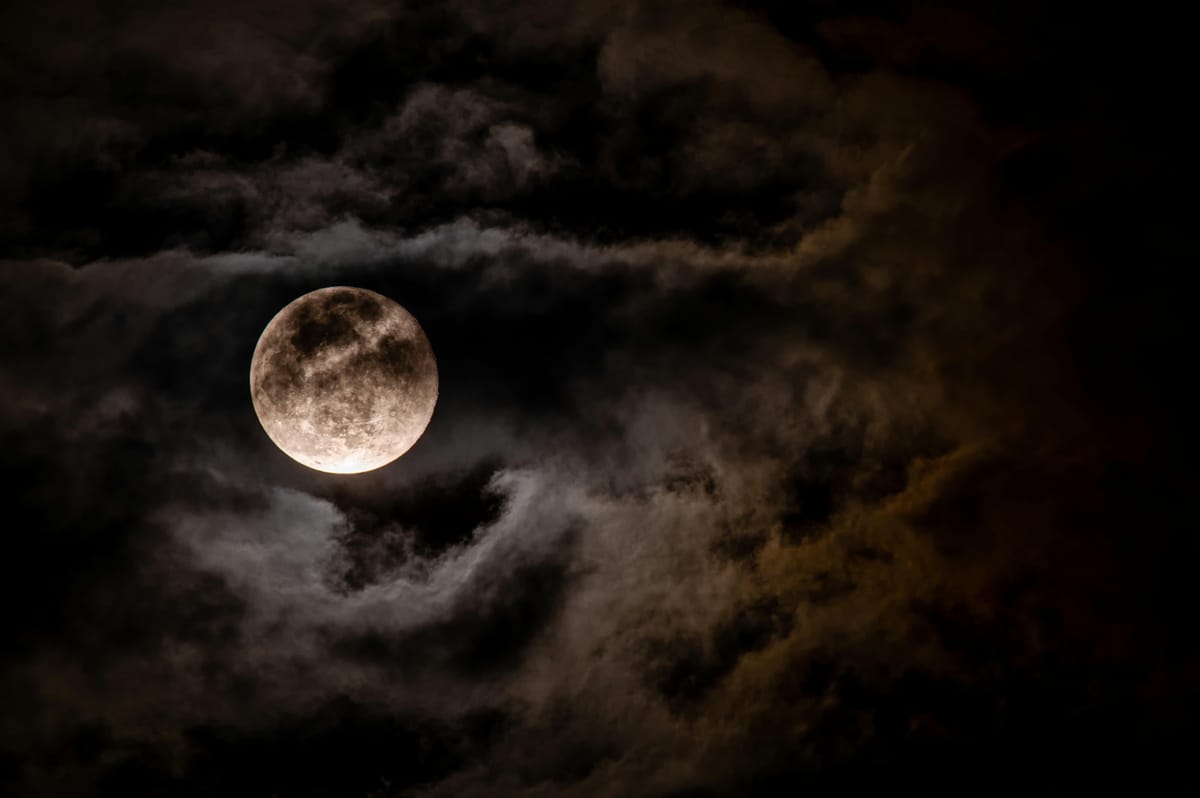
The moon is not a decorative element in places like the Karoo, but a participatory element.
🔴 You might also like to read:
 Naomi Roebert
 Naomi Roebert
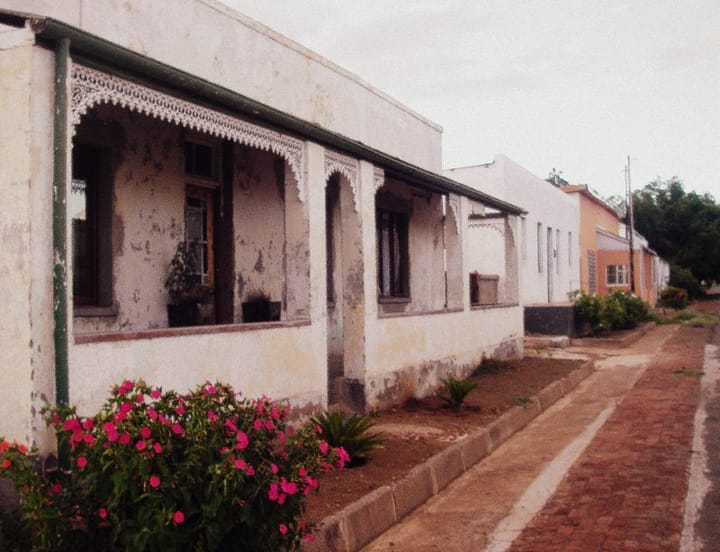
On clear nights in the Karoo, the full moon lifts the land into relief. Distances pale and far movement becomes legible. For generations, people who live and work here have noticed that something changes when the moon is full. The night feels busier than it should.
Ask whether the moon truly changes behaviour and many don't hesitate to say it does, often with examples gathered over years. What is less certain is where folklore ends and science begins, or whether that boundary matters as much as we think.
A terrain unusually sensitive to light
The Karoo’s openness makes it particularly responsive to moonlight. With limited tree cover and low humidity, a full moon can illuminate large stretches of land, effectively extending the day. This makes a difference in farming terms.
Livestock, especially sheep and goats, are known to adjust their activity under brighter conditions. Research in open rangeland environments suggests that grazing animals may extend feeding hours during full moon nights, altering rest patterns and increasing movement.
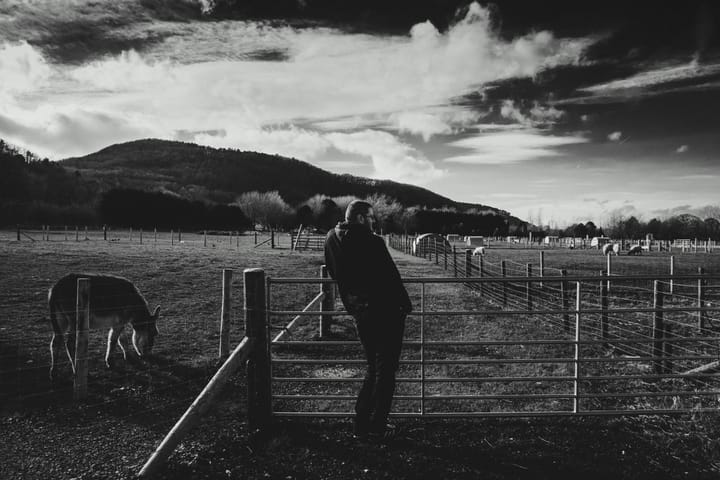
Some farmers notice this anecdotally as animals break camps more often and fences are tested. In this context the moon is an environmental variable.
The belief in lunar timing
One of the most enduring pieces of Karoo farming folklore links the full moon to lambing. Many farmers will say that births cluster around certain lunar phases, particularly the full moon.
Scientific studies have repeatedly found no strong evidence that lunar cycles directly trigger labour in livestock, but the belief persists.
Part of the explanation may lie in perception rather than causation. Increased night-time activity under brighter conditions makes events more visible. A birth that might otherwise go unnoticed becomes something observed and remembered.
Sleep under natural light
The idea that sleep is affected by a full moon has been the subject of scientific debate for decades. Many studies find no significant effect, while others detect subtle but consistent changes.
A widely referenced study conducted in Switzerland found that participants experienced reduced deep sleep and took longer to fall asleep during a full moon, even when they could not see the moonlight directly. The difference was small, roughly 20 minutes of lost sleep, but it was measurable.
Artificial lighting in urban environments may override lunar influence. In rural settings like the Karoo, where streetlights are sparse and homes often rely on natural light cycles, the moon is harder to ignore. Bedrooms are darker and the night itself becomes brighter.
Mood, fatigue and attention
Sleep disruption, even when mild, can influence mood and cognitive function. Irritability, reduced concentration and heightened emotional response are all associated with fragmented sleep. In farming communities, where days start early regardless of sleep quality, the impact can accumulate.
Nurses, teachers and emergency responders in rural areas often describe similar experiences. Full moon nights are remembered as busier, with people appearing more reactive and small issues feeling harder to contain.
Psychologists caution that confirmation bias plays a significant role. When disruption is expected, it is more likely to be noticed and remembered.
Still, researchers note that factors such as sleep disruption and increased night-time light may contribute subtly, particularly in rural settings where artificial light is limited.
Animals, predators and brighter nights
Wildlife behaviour during full moons is better documented than human response. Studies across arid and semi-arid regions show that many predators reduce hunting activity during brighter nights, likely to avoid detection. Prey species respond by becoming more vigilant or shifting movement to darker periods.
In the Karoo, these shifts influence farming outcomes. Stock losses fluctuate and guard animals behave differently. Night-time soundscapes change, reinforcing the sense that the moon alters the balance of activity rather than simply illuminating it.
This interaction between light, risk and behaviour grounds folklore in observable ecological dynamics.
Folklore as accumulated observation
Karoo folklore around the moon did not emerge from superstition alone. It developed through long-term observation in an environment where natural cycles govern success and failure. Before artificial lighting and modern sleep science, people tracked patterns through consequence.
When certain nights consistently felt different, those differences were named and remembered. Stories served as data storage, and sayings functioned as warnings. The truth is that folklore endures not because it resists science, but because it often precedes it.
Why the belief persists
Belief in lunar influence offers a way to anticipate unpredictability. Farming and rural life are affected by forces beyond direct control, so that the moon becomes a reference point, a marker that suggests when to expect disruption.
Importantly, this belief does not replace evidence-based practice. Farmers consult weather forecasts while still glancing at the lunar calendar. The two systems coexist.
Living with cycles
Whether the full moon truly changes behaviour or simply makes existing patterns more visible remains unresolved. What is clear is that people who live close to natural cycles notice nuances others might miss.
The moon is not a decorative element in places like the Karoo, but a participatory element. It makes the night, influences routines and reminds residents that life here is tethered to cycles older than modern schedules.
The full moon may not cause restlessness so much as reveal it, illuminating a landscape and its inhabitants in a way that feels impossible to ignore.
 Naomi Roebert
 Naomi Roebert
Comments ()