
The real economics of farm stalls
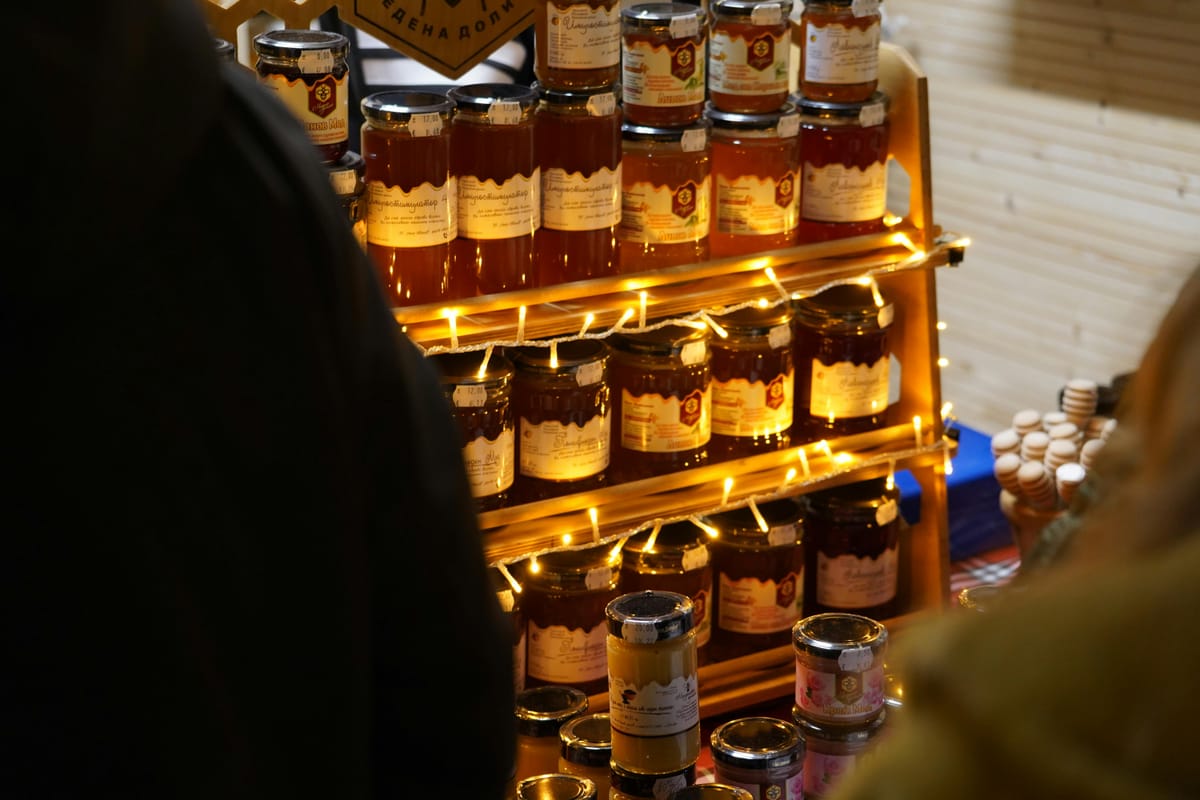
Successful Karoo farm stalls tend to operate as destinations rather than pit stops.
 Naomi Roebert
 Naomi Roebert
Farm stalls are often a simple rural success story. Fresh produce, homemade goods, a stream of passing traffic and a steady income. The reality is far more complex.
For every stall that becomes a fixture on a regional route, several others open with optimism and close with little notice, leaving behind a faded sign and an empty parking area. Understanding why this happens means looking beyond charm and into the economics affecting rural South Africa right now.
The traffic myth
The most common assumption behind a farm stall is traffic. If cars pass, sales will follow. In practice, traffic volume matters less than traffic behaviour. National and provincial roads through the Karoo carry fewer vehicles than coastal or urban routes, and many of those vehicles are travelling long distances on tight budgets.
Fuel costs, toll fees and rising food prices have affected how people spend on the road. Impulse stops are declining and drivers are more selective, stopping only where the offering is clear and the value obvious.
Stalls positioned purely on location without a strong proposition struggle to convert passing vehicles into paying customers. Traffic creates opportunity, not guaranteed income.
Margins are thinner than they look
From the outside, farm stalls appear to sell high-margin goods. Homemade rusks, jams, biltong and baked items often carry premium pricing. What is less visible are the costs behind the counter.
Electricity, whether from the grid or generators, has become significantly more expensive. Compliance costs, including health regulations and local municipal requirements, add ongoing pressure. Input costs for ingredients have risen sharply due to inflation and supply chain instability.
Labour, even when family-based, carries opportunity costs. Time spent baking or staffing a stall is time not spent on farming, other employment or household work. For many operators, the stall only appears profitable when labour is undervalued or unaccounted for. This is a central challenge in farm stall economics, particularly in regions where cash flow is already tight.
Product alone is no longer enough
Selling good food is no longer sufficient. Successful Karoo farm stalls tend to operate as destinations rather than pit stops. They offer a reason to stop that goes beyond hunger.
This might include:
- a clean, reliable bathroom, which remains one of the strongest drivers of stops
- a shaded seating area that encourages longer dwell time
- a clear local story that distinguishes the stall from generic roadside offerings
Stalls that fail often rely on product quality alone while underestimating the importance of experience. In an economy where discretionary spending is cautious, customers want reassurance that a stop is worth it.
Seasonality is unforgiving
The Karoo economy is deeply seasonal. Tourism spikes during school holidays and long weekends, then drops sharply.
Many farm stalls underestimate how quiet off-peak months will be. Fixed costs continue regardless of foot traffic. Without sufficient reserves or diversified income, these periods erode profitability quickly.
Successful operators plan explicitly for seasonality, adjusting staffing, stock levels and opening hours rather than maintaining a uniform model year-round.
Local support matters more than expected
While farm stalls are often aimed at travellers, those that survive long term usually have strong local support. This includes regular customers from nearby towns and farms who use the stall as a social space as much as a retail one.
In a strained economy, community loyalty provides stability when tourist numbers fluctuate. Stalls that price themselves exclusively for visitors often alienate local customers, losing an essential buffer against downturns.
This dynamic is central to rural small business sustainability, where relationships often matter as much as revenue streams.
The hidden cost of compliance
Regulatory compliance has become a pressure point. Health inspections, licensing and zoning requirements are necessary, but they can be costly and time-consuming for small operators.
Inconsistencies between municipalities add complexity. What is acceptable in one district may not be in another. For stalls operating on tight margins, even small compliance-related delays or penalties can tip the balance.
Some closures are not dramatic failures but administrative exhaustion.
Why many stalls close
Farm stalls that fail wind down slowly, with reduced hours, less stock, and a sense that the energy has gone. Eventually, the doors close without announcement.
This undramatic ending reflects how deeply personal these businesses are. They are often run by families who absorb losses privately. In the current economic climate, with high interest rates and cautious consumer spending, the margin for error is smaller than it once was.
What works now
Despite these challenges, some Karoo farm stalls are thriving. They share common traits:
- diversified income streams, including online sales or wholesale supply
- realistic pricing that balances margin with volume
- a strong sense of place that cannot be replicated elsewhere
- disciplined cost tracking, including labour
They treat the stall as a business first and a lifestyle second, without losing warmth or authenticity.
A recalibration rather than a decline
The closure of many farm stalls does not signal the end of the model. The romantic idea of easy roadside income no longer holds in South Africa’s current economy.
For those willing to approach the venture with clear-eyed realism, attention to numbers and a deep understanding of local context, farm stalls continue work. They simply demand more strategy than nostalgia.
🔴 You might also like to read:
 Naomi Roebert

Comments ()