
The rebirth of local manufacturing and handmade goods
South Africans increasingly want products that feel human again. They want farm-baked bread and furniture built by local hands and clothing designed and stitched by the town seamstress.
South Africans for years were told that cheaper was better. Imported furniture arrived flat-packed in boxes while clothing stores filled with mass-produced garments from overseas and household goods became increasingly disposable.
Many local workshops closed their doors while smaller towns watched skilled trades disappear one by one.
This tide has begun to reverse.
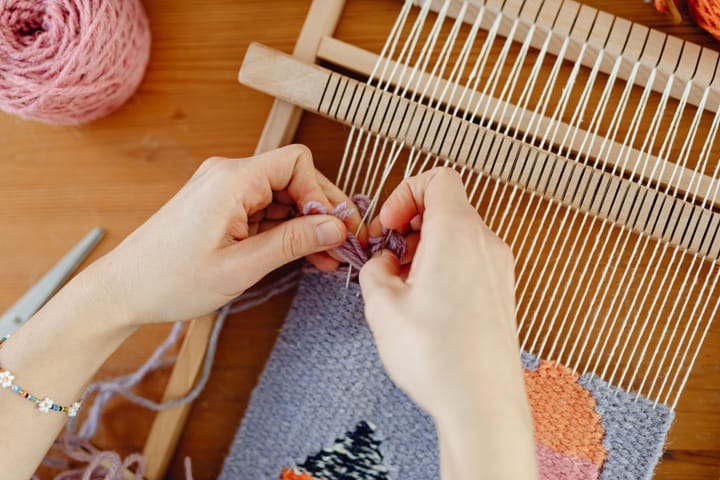
Across South Africa, and especially in the Karoo, there are signs of a meaningful return to local manufacturing and handmade production. This is happening through bakers firing up old ovens before dawn, leatherworkers stitching belts by hand, carpenters building custom furniture and small farmers turning surplus produce into preserves and cheeses. This trend looks increasingly like a much-needed economic correction.
Why people are buying differently
Imported goods are no longer as cheap as they once were, especially after years of rising fuel costs and a weak rand. Many South Africans have also become wary of buying products that break within months.
More people want objects with a sense of origin. A handmade table built in Graaff-Reinet or a leather bag crafted in Prince Albert tells a story that mass production cannot imitate. Consumers are beginning to realise that buying one well-made item can sometimes cost less in the long run than replacing cheaper products repeatedly.
The Karoo’s natural fit for craftsmanship
The Karoo has a longstanding culture of making things by hand. Isolation encouraged self-reliance before it became fashionable. Farmers repaired equipment themselves and families baked bread from scratch. Many of those traditions survived even while urban South Africa moved towards convenience culture.
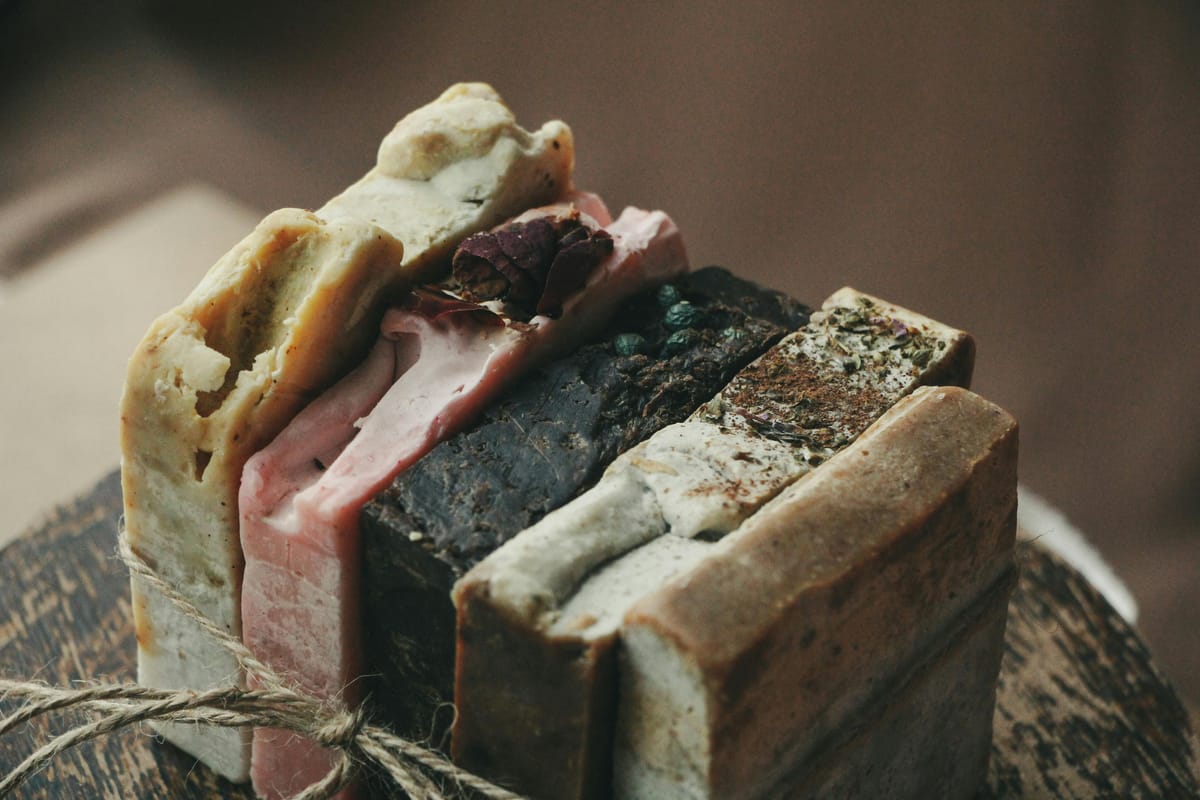
The region is well positioned for the revival of handmade goods because authenticity already exists here. Veld-inspired skincare products, handmade knives, ceramics, preserves and natural fibre goods all intimately reflect the region and its long story of self-subsistence. Weekend stalls now function as miniature economic hubs where artisans test ideas without the enormous risk of opening permanent retail stores.
Social media has also changed the equation. A craftsperson living on a remote farm can now sell products nationally through Instagram, Facebook Marketplace or small online stores while telling the story behind the product directly to buyers.
A smaller, stronger economy
Large-scale manufacturing still dominates the global economy, and South Africa’s industrial sector faces serious challenges ranging from transport costs to infrastructure decline. Nobody is pretending that handmade businesses alone can rebuild the national economy. Still, smaller manufacturing ecosystems allow for decline-resistance in ways that statistics often miss.
A local bakery employs staff and keeps money circulating within a town. A furniture maker buying timber locally strengthens regional supply chains while reducing dependence on imported stock. Small production businesses create webs of economic activity that help towns to survive.
The gradual proliferation of small business manufacturing also reveals new attitudes toward work itself. Younger South Africans are increasingly exploring entrepreneurship through practical trades. Woodworking, metalwork, artisanal food production and clothing manufacture are slowly regaining cultural value after years of being seen as secondary to office careers. In short, young people are discovering that there is dignity in making tangible things.
Quality over quantity
South Africans increasingly want products that feel human again. They want farm-baked bread and furniture built by local hands and clothing designed and stitched by the town seamstress.
This rebirth reflects a renewed appreciation for skill and pride that comes from creating something real.


Comments ()