
The rise of Karoo farm experiences
While traditional guesthouses remain important, working farm stays allow travellers to see the machinery behind rural life.
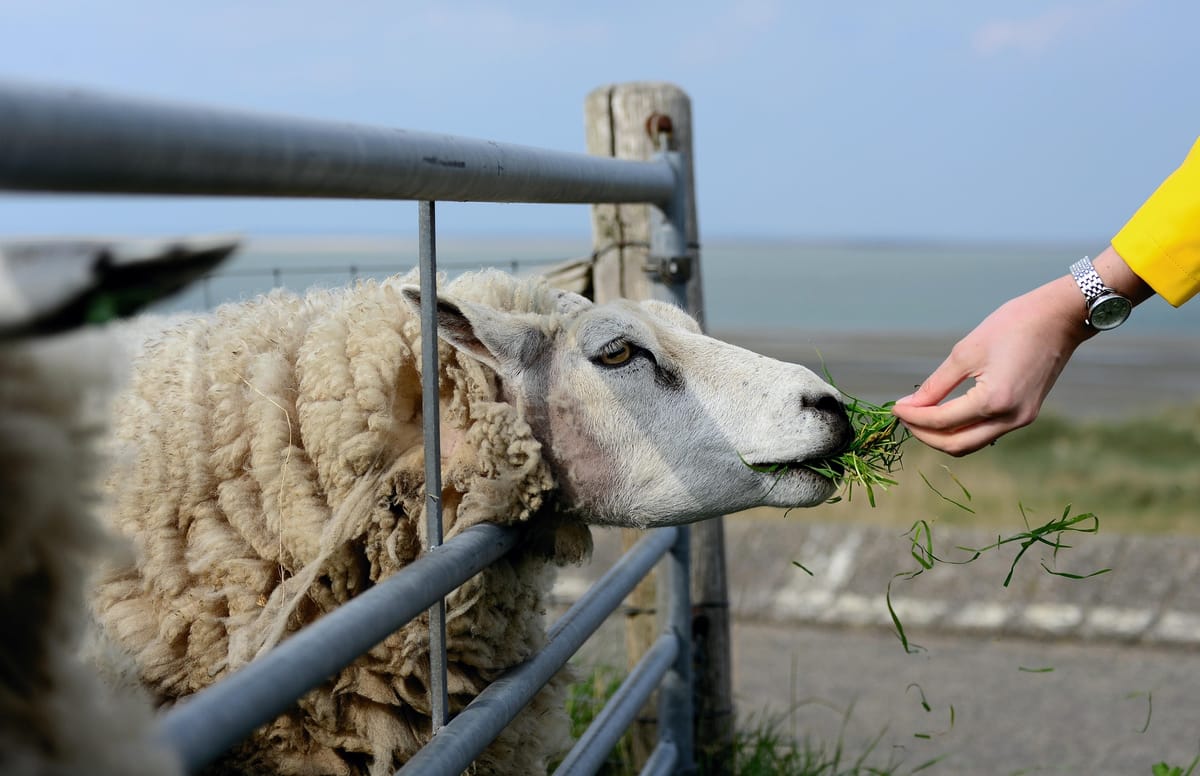
Farms that once existed solely for livestock and crops are beginning to open their gates to visitors, drawing travellers with the promise of an authentic rural experience. The gradual rise of the Karoo farm experience means that agricultural land can now double as a place of discovery for outsiders curious about life beyond the city.
This trend reflects both economic reality and cultural opportunity. Farming has always been precarious in semi-arid regions, where rainfall is unpredictable and livestock markets fluctuate.
Many landowners have begun exploring new ways to strengthen their income while keeping the farm intact for future generations. Opening a farm to guests, it turns out, can do both.
Where agriculture meets tourism
The concept is simple in theory but surprisingly powerful in practice. Visitors stay on a working farm while witnessing rural life. Mornings might begin with the slow gathering of sheep, while afternoons are spent cycling dusty farm roads or learning how a borehole windpump keeps water moving through the veld.
This form of agritourism in South Africa has been expanding steadily over the past decade, especially in regions where wide terrain and sparse populations create an atmosphere that urban travellers increasingly crave. The Karoo, with its silence and enormous skies, fits that desire perfectly. While traditional guesthouses remain important, working farm stays allow travellers to see the machinery behind rural life.
Why visitors are seeking rural immersion
Several forces are driving this interest. Urban fatigue is one of them, while curiosity about food and farming has grown. Many people want to understand where lamb, wool or olive oil actually comes from, and farms provide a living classroom.
Experiences might include:
• walking through grazing camps while learning how rotational grazing protects fragile veld
• watching sheep shearing while hearing how wool markets determine farm decisions
• sharing traditional Karoo meals cooked slowly over coals.
These activities may sound ordinary to rural families but to visitors they are rare and grounding. The result is a deeper connection between traveller and place. Instead of merely observing the Karoo from a roadside stop, guests begin to understand the patience and fortitude required to live there.
A practical lifeline for farmers
Beyond cultural curiosity, farm tourism carries real financial importance. Drought cycles have repeatedly tested agricultural communities. Income from accommodation or seasonal experiences provides a secondary stream that helps stabilise farm businesses.
For some landowners, tourism has become part of a broader farm tourism South Africa model that combines livestock production with hospitality. Old sheds become rustic cottages or disused labourers’ houses transform into peaceful retreats overlooking the veld.
Balancing authenticity and preservation
Despite the promise, successful farm tourism requires balance. Too many visitors risk disturbing the quiet character that makes the Karoo special in the first place. Farms must therefore remain farms first, tourist attractions second.
Many hosts maintain strict limits on guest numbers. Others focus on small group experiences rather than large commercial operations. The goal is to protect both the land and the atmosphere visitors come to enjoy. When done thoughtfully, this approach allows farms to share their world without losing it.
A new chapter for the Karoo
What began as a modest side venture on a handful of properties now seems like the early stages of a broader trend. Travellers searching for genuine connection increasingly bypass crowded resorts in favour of open vistas and honest conversation.
Working farms remain the backbone of the region. Sheep still graze across vast camps while farmers scan for rain. Now, alongside these traditions a new experience is forming, one that invites outsiders to step briefly into the inner workings of rural life.
The gates, it seems, are opening slowly, and with them comes a chance for visitors not only to see the Karoo, but to understand it.


Comments ()