
The surprising wildlife of the Sutherland Plateau
The Sutherland Plateau may look barren at first, but it holds a surprisingly rich and complex web of wildlife. From silent predators to hidden nocturnal activity, this is a terrain that reveals its secrets slowly.

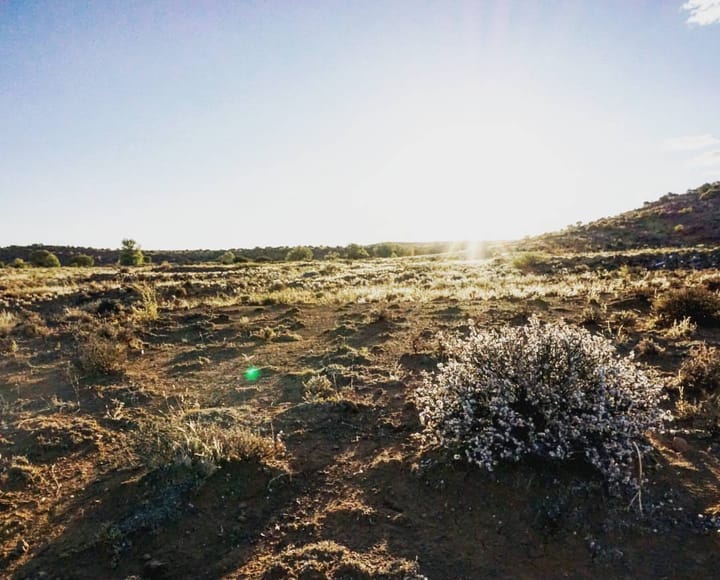
The Sutherland Plateau is often described as treeless, wind-cut, sparse. A place of big skies and thin soil from which life appears to retreat. While that impression is understandable, it overlooks a system that is intricately balanced, existing at an altitude that changes the rules for everything that lives there.
Life at the extremes
Conditions on the plateau are harsh by almost any standard. Winter temperatures regularly drop below freezing while frost grips the ground, and snowfall is not unusual. Rainfall is limited and unreliable, arriving in brief bursts that transform the veld before disappearing again. These restraints have refined the ecology of the plateau. Species tend to be smaller and cautious and remarkably efficient.
Small mammals that carry the ecosystem
Among the most overlooked residents of the plateau are its small mammals. While they rarely draw attention, they form the backbone of the local food web. Rodents such as gerbils and mice scurry through the grasses and scrub, feeding on seeds while in turn sustaining predators.
Springhares, glimpsed at night as they bound across open ground, hint at a deeper, more active nocturnal world, one that remains largely hidden during daylight hours.
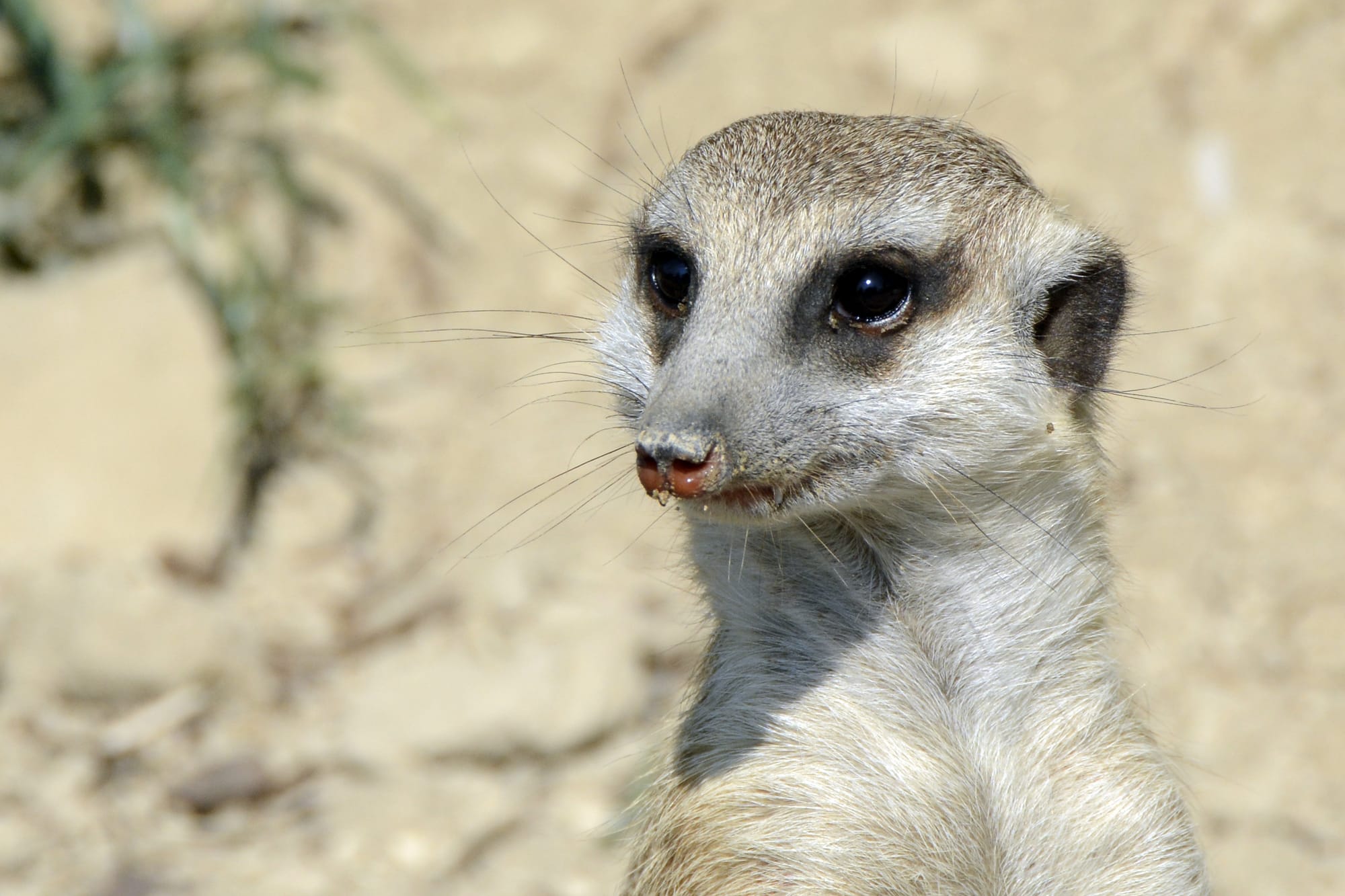
Meerkats, with their upright posture and alert behaviour, bring a more familiar face to the plateau. Their social structures are tightly organised, and their role in controlling insect populations balance an already complex system.
Predators that move in silence
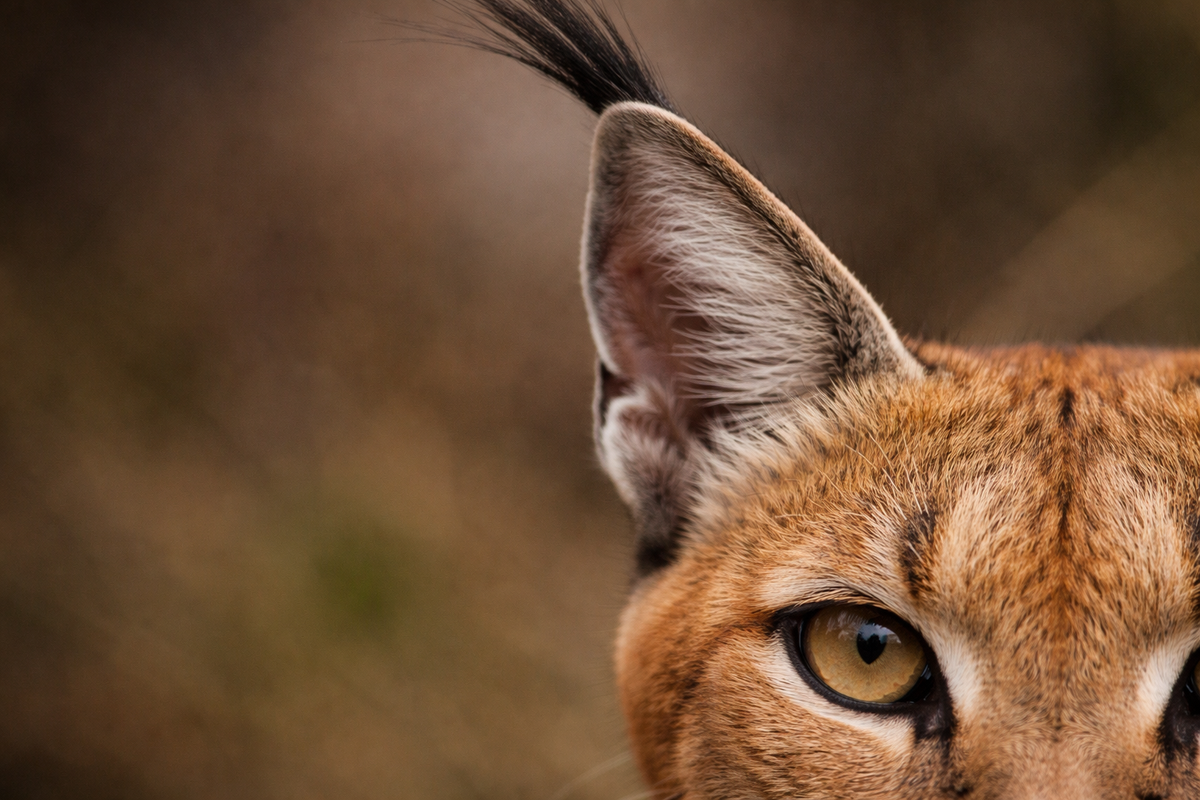
Where there is prey, predators follow. The Sutherland Plateau supports a range of carnivores that are rarely seen but deeply influential. Caracals stalk the terrain with precision, hunting small mammals and birds while adapting easily to the open environment.
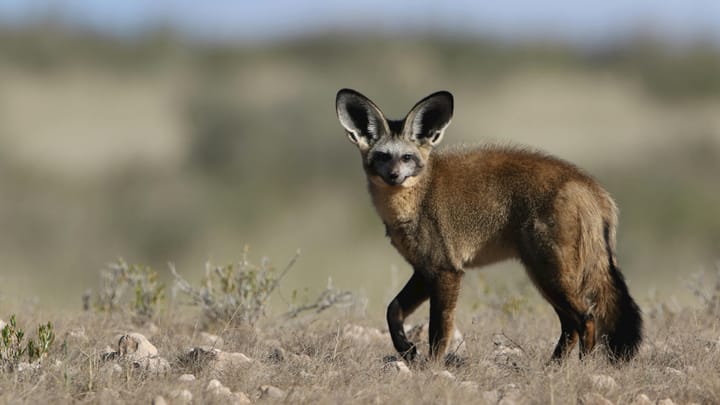
Black-backed jackals are more visible, their calls carrying across the plateau at night. These opportunists feed on everything from rodents to carrion while helping to keep the ecosystem in check. Smaller predators such as the bat-eared fox play a subtler role. Feeding largely on insects, they operate on a different level of the food chain by ensuring that even the smallest populations remain in balance.
Birdlife that thrives in open space
The plateau’s skies are anything but empty. Birdlife takes advantage of the uninterrupted horizons. Raptors circle on thermals, scanning the ground for movement while covering large distances with minimal effort.
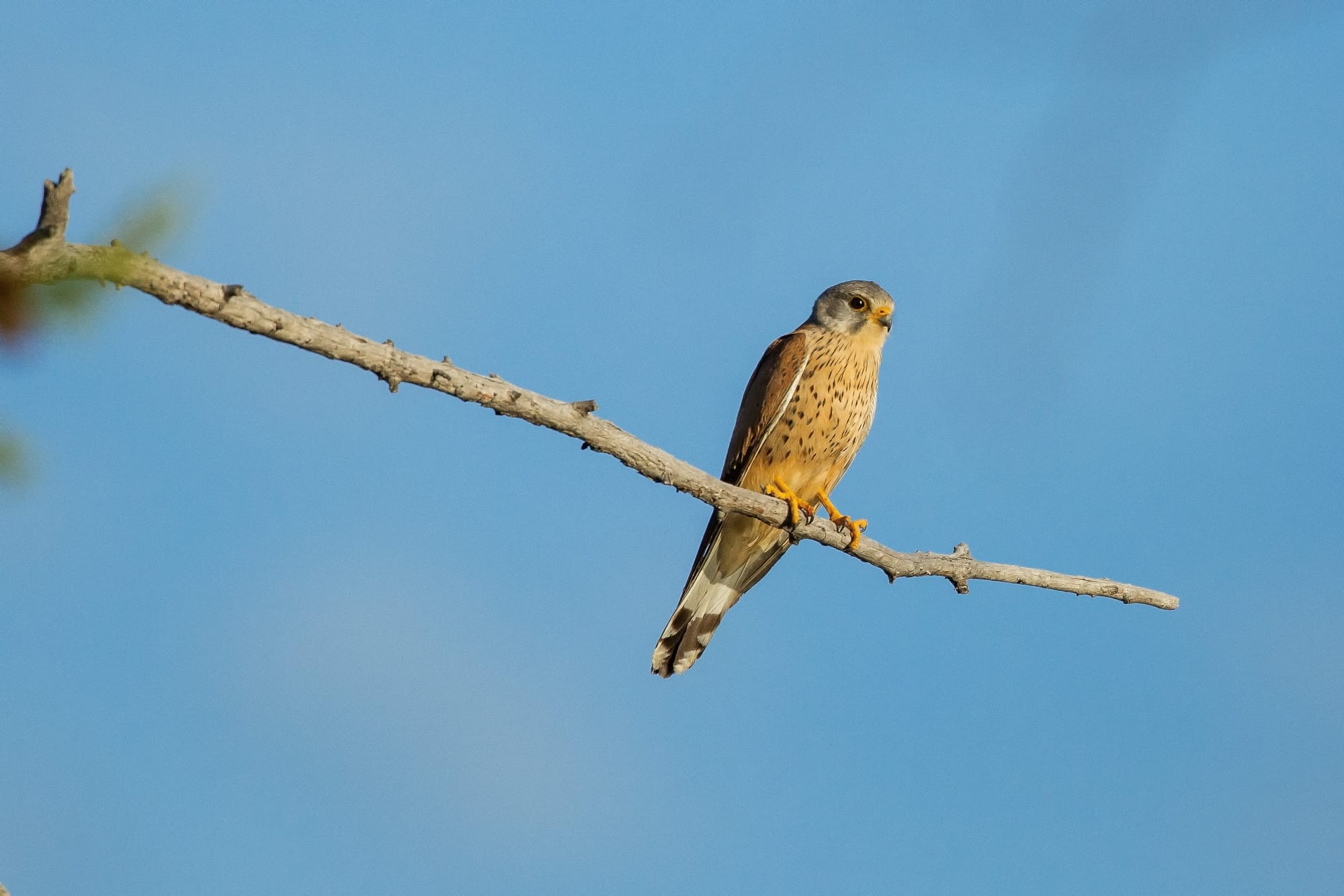
Species such as the rock kestrel and the pale chanting goshawk are well adapted to this environment. They rely on keen eyesight and patience, often perching on low outcrops before striking with speed and accuracy.
Ground-dwelling birds, including korhaans and larks, blend into the terrain with remarkable effectiveness. Their camouflage is so complete that they are often only noticed when they move, bursting into flight to reveal themselves briefly. For those interested in Karoo wildlife, the plateau offers a particularly rich, if understated, experience.
Reptiles and insects that define the detail
Another world exists closer to the ground. Reptiles such as agamas and small snakes take advantage of the sun’s warmth, emerging during the day to regulate their body temperature.
Insects, though easily overlooked, are perhaps the most important drivers of the plateau’s ecology. They pollinate plants, recycle nutrients and provide food for a wide range of species.
After rain, the transformation is immediate. The veld hums with activity as insects emerge in large numbers, triggering a chain reaction that carries through the ecosystem. This layer of life is essential to the plateau. Without it, the larger, more visible species would not endure.
A land that rewards attention
While it may lack the dramatic visibility of larger reserves, the Sutherland plateau offers a more intimate encounter with nature. In this way, the plateau challenges the idea of what defines a wildlife destination, suggesting that richness is not always obvious, and that some of the most compelling ecosystems are those that slowly reveal themselves.

Comments ()