
What to know when buying and restoring a Karoo house
Buying a Karoo house means understanding how these homes were built to survive. Before you modernise, it pays to know what to preserve and what to approach with caution. The difference can determine how your home feels for years to come.
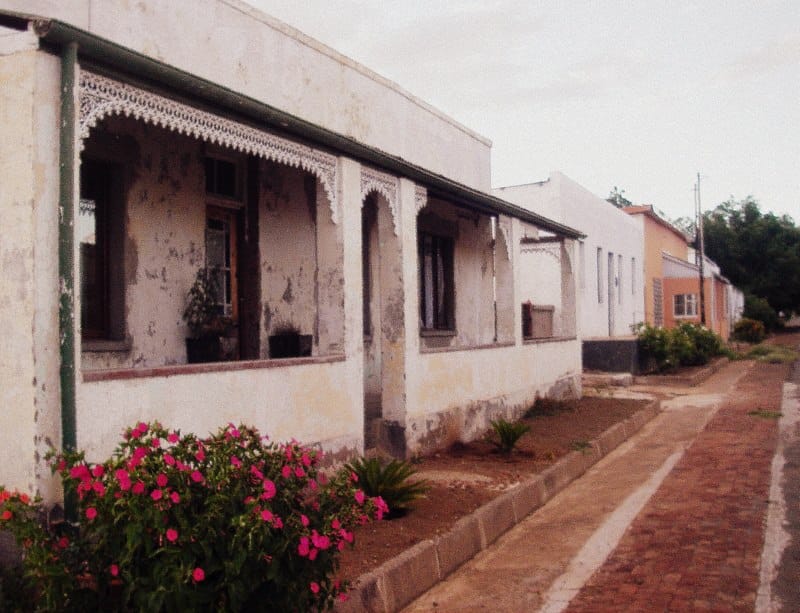
Buying into the Karoo often means that you step into a way of building that was defined by climate and scarcity. Knowing what to preserve, along with what to update carefully, can make the difference between a home that works and one that constantly resists you.
The logic behind thick walls and small windows
The most common “upgrade” buyers consider is opening the house up. Larger windows or sliding doors with more light. This looks great in photographs but can also be one of the quickest ways to lose what the house does best.
Traditional Karoo homes were designed to regulate temperature passively. Thick walls, often made from stone or clay brick, absorb heat slowly during the day while releasing it gradually at night. Small windows reduce direct sunlight to limit heat gain and protect interiors from harsh wind.
When these elements are altered without thought, the house begins to behave differently. Rooms that once stayed cool through the afternoon can become more uncomfortable. Winter warmth dissipates faster and the rooms become more dependent on artificial heating and cooling, which is both costly and often ineffective in such a dry, exposed environment.
Preserving these features doesn't mean you have to live in darkness but does involve working with what exists, perhaps introducing light through careful placement rather than wholesale expansion.
Materials that breathe versus materials that trap
Another common misstep is in the materials used during renovations. Cement plaster or modern paints and sealed finishes are often applied in an attempt to “clean up” older surfaces. The result can be subtle but damaging.
Many Karoo homes were built using lime-based plasters and breathable materials. These allow moisture to move through the walls naturally, which helps prevent cracking and long-term structural stress. When impermeable materials are introduced, moisture becomes trapped, leading to deterioration that is often mistaken for age rather than intervention.
A buyer entering the Karoo property market should pay close attention to what the house is made of, along with how previous renovations have been handled. Restoring with compatible materials is not only more sympathetic, it often extends the life of the building greatly.
Orientation and the intelligence of layout
Older homes in the Karoo are rarely positioned at random. Verandas face particular directions and rooms are arranged to catch or avoid the sun depending on the season. Trees are planted for shade and wind protection.
Changing this layout, even slightly, can shift how the house performs. Closing in a stoep may create extra space but it can also remove a crucial buffer between the interior and the heat. Repositioning openings without understanding prevailing winds may introduce discomfort that did not exist before.
New buyers often focus on what they can add, while the more important question is what should remain untouched. Observing how the house is positioned in its surroundings, or how the light moves through it during the day and how it feels in the late afternoon can reveal far more than a building report.
What to watch out for before you buy
There are practical considerations beneath the romance. Not all issues are visible at first glance. Cracking in walls can be cosmetic, though it can also signal movement in foundations, particularly in areas with expansive clay soils. Roof structures may look sound from below, while years of wind exposure have weakened key elements above.
Water systems, often reliant on tanks and boreholes, need careful inspection, especially in regions where supply is inconsistent. A thoughtful Karoo home renovation begins long before any work is done; it starts with understanding what is already there, along with what may need reinforcement.
Modern comfort without losing character
None of this suggests that a Karoo house must remain frozen in time. Comfort and function are important. The goal is adaptation that respects the logic of the original structure.
Insulation can be introduced subtly; kitchens and bathrooms can be modernised without altering the flow of the house. Solar systems, water storage and efficient heating solutions can be added while leaving the core of the building intact. The most successful restorations tend to feel effortless because everything that was changed was considered.
A house that works with you
A Karoo house reveals its secrets slowly by showing you how it manages heat and shelters from the wind. For those entering the buying property in the Karoo journey, the real opportunity is found recognising what you already have. When approached with care, they offer not only shelter but a lived wisdom that modern design often struggles to replicate.


Comments ()