
Why painters and sculptors keep turning up in semi-desert towns
Semi-desert towns offer artists something increasingly scarce: time and room to experiment.
🔴 You might also like to read:
 Naomi Roebert
 Naomi Roebert
Artists arrive in the bordering plains of the Karoo with sketchbooks, expecting a short visit, and stay. They cite the same attractions again and again: light that flattens shadows into geometry and landscapes stripped to essential lines.
These artistic migrations have helped turn certain towns into unexpected creative centres to add a new dimension to the region’s evolving economy and identity.
This convergence of dust and imagination has become part of the draw that has strengthened the region’s reputation for Karoo art towns.
Light, space and the lure of simplicity
Painters often speak first about the sky. In semi-desert environments the air carries less moisture, which sharpens colour and lengthens horizons.
Sunrises blaze pink against shale ridges while afternoon heat bleaches detail into abstraction. Such conditions strip the scene of clutter, which suits artists searching for form.
Sculptors find equal inspiration in the Karoo's geology. Dolerite boulders or river-worn sandstone provide raw material that is inseparable from place. Working outdoors becomes easier in dry climates where sudden rainstorms rarely interrupt long sessions.
Silence also plays its part, and with fewer distractions, creative routines easily settle into steady routines.
Towns that nurtured creative clusters
Several settlements have become magnets for this lifestyle, often through a mix of affordable property and one or two pioneering figures who arrived early and stayed.
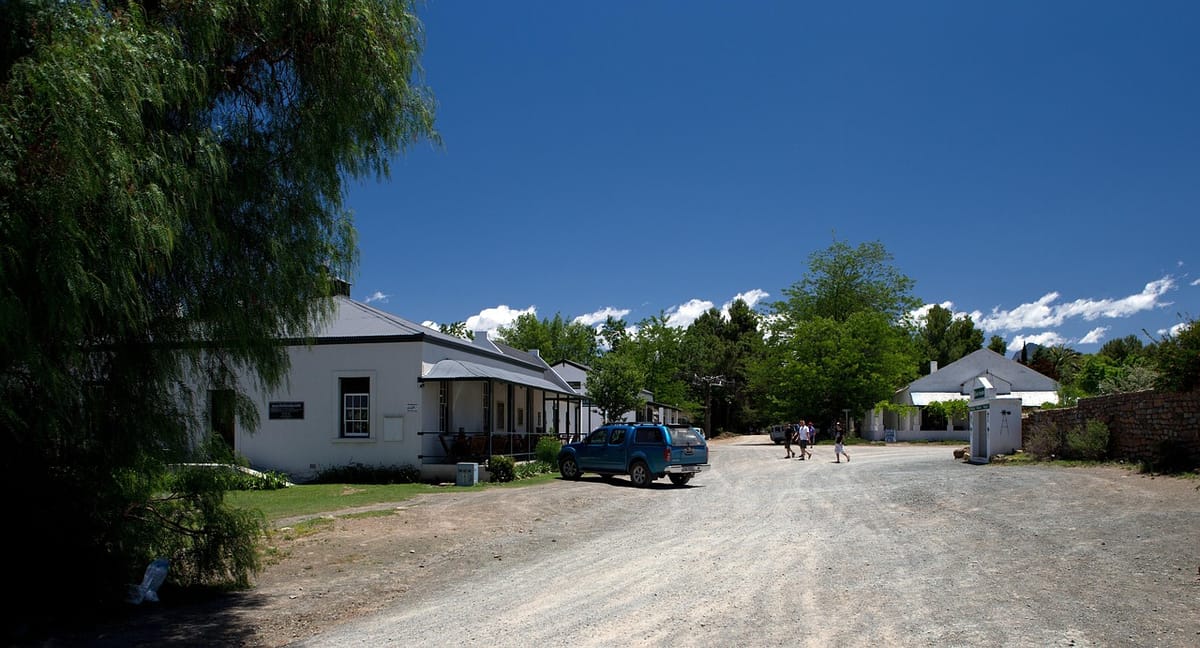
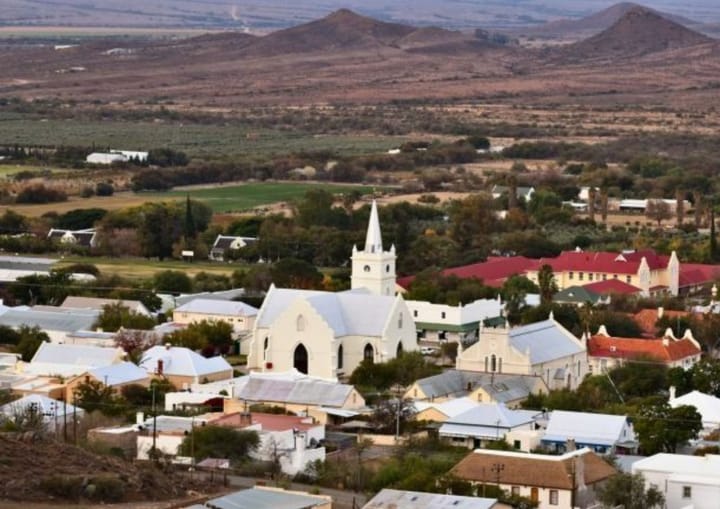
In Nieu-Bethesda, restored cottages and a celebrated tradition of outsider art created a gravitational pull that continues today. Visitors wander between galleries and cafés that double as exhibition spaces, turning the village into a permanent open-air museum.
Farther west, Prince Albert pairs Victorian architecture with mountain backdrops that mimic stage sets. Painters rent farm cottages for months at a time while sculptors draw on nearby quarries and scrap yards, adding contemporary edges to a town better known for figs and olives.
Bookshops and studios in Richmond have gradually transformed its streets into cultural corridors. Writers and visual artists share converted houses where readings and openings blur into long dinners under star-heavy skies.
Word spreads through informal networks of residencies and workshops to attract repeat visitors who return with friends in tow.
Affordable living and adaptable spaces
Studio space in major cities often comes at a punishing cost, but semi-desert towns offer garages and spare rooms that can be converted with modest budgets. Property prices remain lower than coastal centres, allowing artists to buy homes instead of perpetually renting.
Old churches and local restaurants frequently become exhibition venues, creating circuits of local patronage that supplement tourism income. Weekend markets and seasonal festivals draw collectors from Cape Town, Bloemfontein and Johannesburg, injecting cash into guesthouses and cafés.
This mix of affordability and community support underpins the growth of artist colonies in South Africa, where creative life becomes part of the daily experience.
Tourism, identity and a new reputation
The arrival of artists changes how towns present themselves. Heritage walks expand to include studio visits while accommodation listings highlight their proximity to galleries.
This cultural turn strengthens creative tourism, attracting visitors who travel deliberately and spend locally. It also encourages preservation, since historic houses and warehouses gain new purpose as workshops or exhibition halls instead of sliding into disrepair.
Most communities recognise the benefits when vacant buildings fill and younger residents find work assisting with events or learning new trades.
Why the pattern keeps repeating
Semi-desert towns offer artists something increasingly scarce: time and room to experiment. The pace slows but does not stagnate, costs stay manageable and the terrain provide endless variation within its apparent simplicity. Each arrival reinforces the network, making the next move easier for someone searching for space to think and work.
🔴 You might also like to read:
 Naomi Roebert
 Naomi Roebert
Comments ()