
Wildlife joins wool in the Karoo’s evolving farm model
Karoo farming that embraces diversity is a pragmatic response to modern pressures.
🔴 You might also like to read:
 Naomi Roebert
A resurging trend in Karoo farming is reimagining how land is used and how balance sheets are built. Farmers who once relied solely on sheep or cattle are increasingly weaving wildlife into their operations to create a hybrid farming model that blends tradition with adaptability.
This approach works along livestock to unlock fresh revenue streams while easing pressure on a fragile region long affected by drought cycles and rising input costs.
The change is largely motivated by economics as well as climate realities and a growing recognition that diversification can steady farms in unpredictable years.
Diversifying income in a volatile climate
Wool prices fluctuate while beef margins tighten and feed costs spike after dry seasons. Game introduces parallel income that does not rely on the same market forces.
Trophy and biltong hunting generate seasonal cash flow, while live animal sales to other reserves or private farms can bring lump sums that help fund infrastructure or rebuild herds after difficult years.
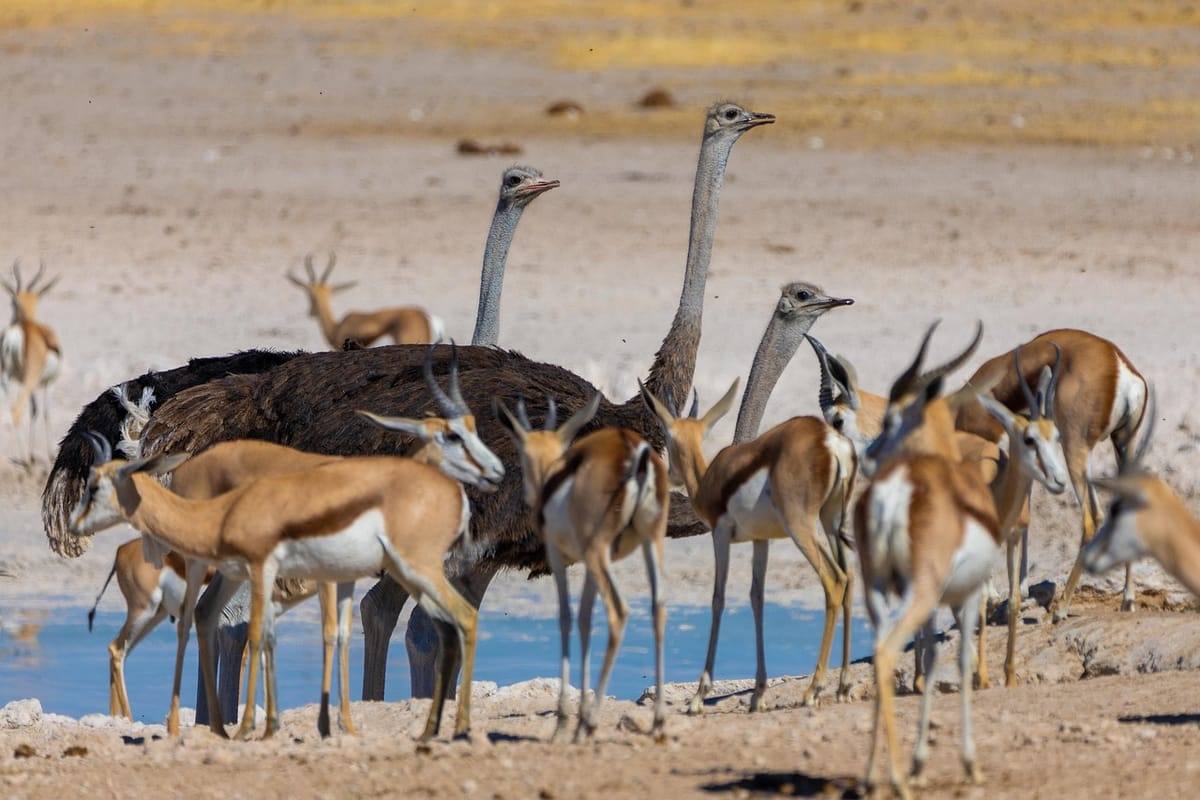
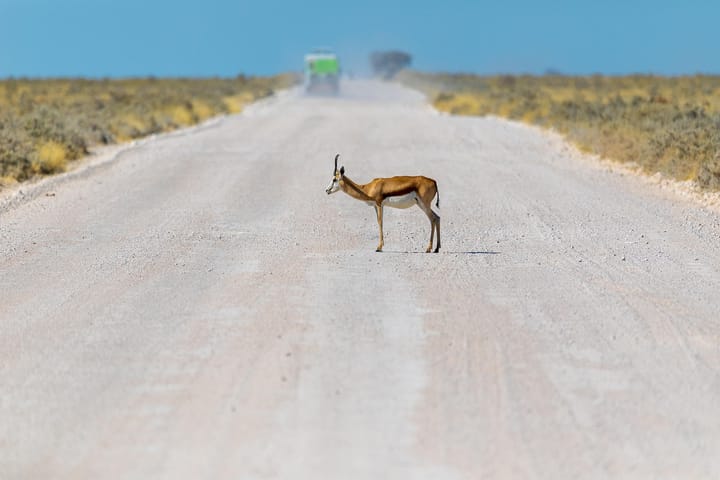
Game viewing has become another drawcard. Some Karoo farms now host small farmstays or weekend guests seeking open plains with mountain backdrops and sightings of springbok, gemsbok or black wildebeest.
That tourism income cushions low-rainfall seasons while creating work for cooks and maintenance teams drawn from nearby towns.
For many producers, the logic is simple: sheep still anchor the operation, while game farming spreads risk and steadies cash flow when traditional markets wobble.
Lower overheads on extensive land
Game animals are often better adapted to sparse grazing and large camps than intensively managed livestock. They require fewer supplementary feeds or lower veterinary intervention and less frequent handling, which reduces labour demands and fuel use.
Fencing remains a cost, especially where breeding programmes are involved, but once these systems are in place the ongoing expense can be lower than maintaining large sheep flocks that need regular dipping, dosing and shearing cycles.
Predation losses are also managed differently, with many species better equipped to evade jackal or caracal.
This lighter touch matters in a region defined by distances and tight margins. Reduced handling also frees up farmers to focus on marketing or developing hospitality offerings linked to wildlife.
Environmental gains that support long-term production
Rotational grazing, rest camps and stocking diversity sit at the heart of sustainable Karoo operations. Mixed systems can strengthen the veld because different species browse and graze in varied ways.
Antelope graze less intensively, sparing camps from overgrazing while sheep are rotated, spreading pressure more evenly across the area.
Healthier veld improves water infiltration and soil stability, which becomes vital during cloudbursts that follow drought. Better plant cover can lift carrying capacity for all animals on the farm over time.
New markets and global interest
International hunters have long viewed the Karoo as a premier destination, drawn by open terrain and iconic species. Local demand is also strong, particularly for meat hunts that supply households or restaurants specialising in venison.
Live game auctions continue to underpin the sector, offering breeders opportunities to sell surplus animals or invest in new genetics. Meanwhile photographers and birders are discovering that hybrid farms provide varied ecosystems, from rocky koppies to riverine strips that host an array of species now made accessible on former monoculture livestock units.
Balancing livestock and wildlife
Hybrid systems are not without complexity. Stocking rates must be carefully calculated; water points must be managed to avoid overuse and breeding programmes monitored to prevent genetic bottlenecks.
Successful operations rely on accurate record-keeping and constant veld assessment, but those who get the balance right often describe a renewed connection to the land.
Wildlife restores a sense of scale to farms that once felt driven purely by production targets, so that long-term stewardship and profitability are not opposing forces.
A model for the Karoo’s future
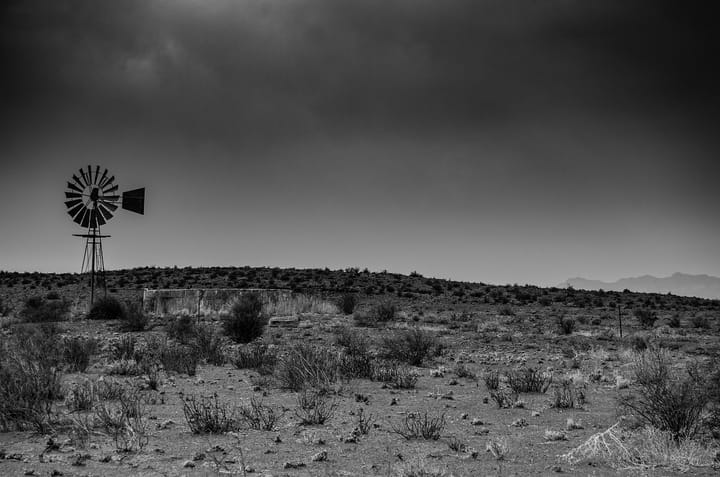
On the surface the Karoo might seem unchanging, but it has always been a place of adaptation. Windmills replaced hand-dug wells and genetics reshaped flocks over generations. Blending livestock with wildlife might be the next chapter in that long story.
For producers coping with rising costs and uncertain rainfall, Karoo farming that embraces diversity is a pragmatic response to modern pressures, unlocking new ways to keep farms viable for decades to come.
🔴 You might also like to read:
 Naomi Roebert
Comments ()