
How mid-sized Karoo towns power the Eastern Cape economy
Though they might not dominate headlines, mid-sized Karoo towns are indispensable. They connect and sustain, often without recognition.
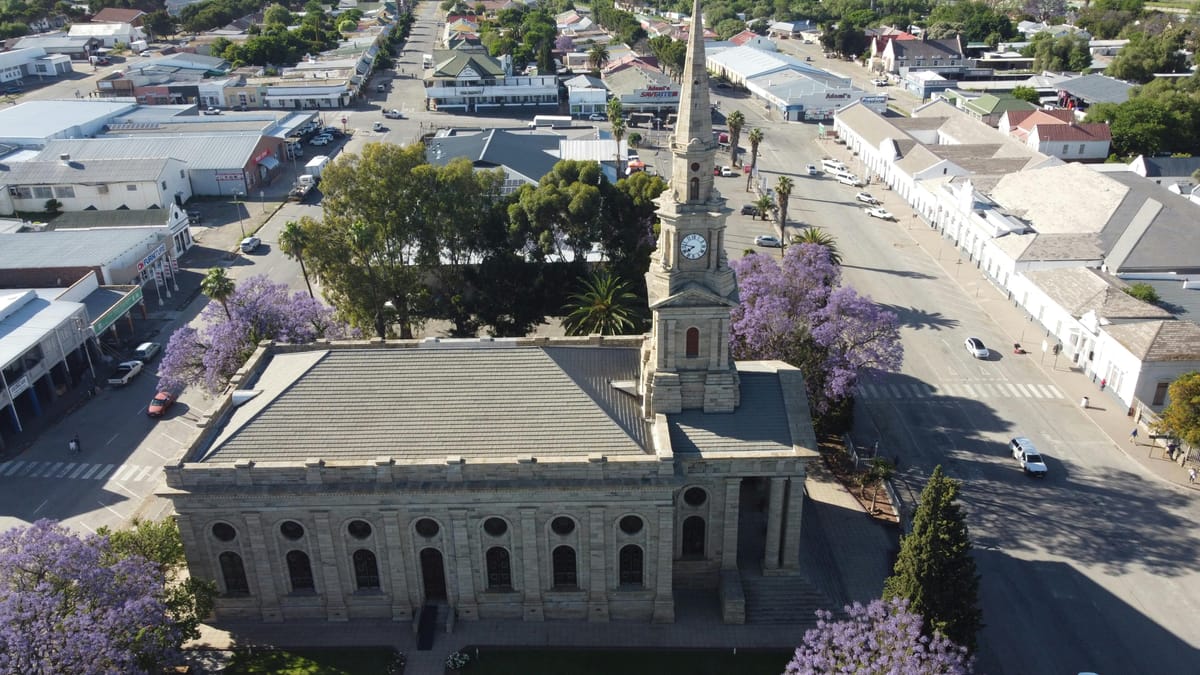
Rural economic life does not move in a straight line from village to city. Such movement lopes in stages, each determined by distance, infrastructure and necessity.
Mid-sized towns like Cradock are at the heart of this system, bridging the gap between scattered rural settlements and larger urban centres such as Gqeberha. These towns anchor local economies while connecting them outward to form a network that sustains both people and production across the Karoo.
A critical link between farm and city
Wool, livestock, game and crops must travel from farms to markets, abattoirs and export hubs. The Karoo’s agricultural backbone depends on this movement. Towns like Cradock serve as the first point of consolidation, where goods are gathered and processed for wider distribution.
Farmers simultaneously rely on these to access inputs and services. Agricultural co-operatives or veterinary practices and equipment suppliers cluster here, creating a practical ecosystem that keeps rural production viable. This makes towns like Cradock essential to the region’s Eastern Cape economy, even if their contribution is indirect.
At the same time, transport routes linking these towns to Gqeberha and other coastal cities seee that products move efficiently into national and global markets. The distance between farm and port would become a far greater barrier without this intermediary.
Service hubs for surrounding communities
Mid-sized Karoo towns act as service centres for vast surrounding areas. Residents from smaller settlements travel in for healthcare, education, banking and retail, often covering long distances to do so.
Hospitals and schools concentrate in these towns, while local businesses provide everything from groceries to hardware. This clustering supports employment and stimulates small enterprise development.
The result is a complex local economy, where income generated on farms circulates through town-based services before flowing onward to larger cities. In this way, places like Cradock underpin a broader system of Karoo development that extends far beyond their immediate boundaries.
Economic survival through diversification
While agriculture remains central, many mid-sized towns are gradually diversifying. Tourism and small-scale manufacturing are beginning to take root, offering new avenues for growth.
Cradock, for example, draws visitors with its historical architecture, proximity to game reserves and its position along essential travel routes. Guesthouses and restaurants create additional income streams while supporting local employment.
Renewable energy developments across the Karoo are starting to remake the economic environment. Wind and solar projects often rely on nearby towns for logistics and maintenance support, reinforcing their role as operational hubs.
This diversification allows towns to weather fluctuations in agricultural markets while opening pathways for younger generations to remain in the region rather than relocating to larger cities.
The impact of local identity
These economic structures that facilitate the broader agricultural framework are lived daily in towns like Cradock. Early morning deliveries, school runs, market days and doctor's visits all reflect the central role these towns play.
Families depend on reliable access to services, while entrepreneurs build livelihoods around local demand. Teachers, nurses, mechanics and shop owners form the backbone of a community that supports both rural and urban connections.
Mid-sized towns preserve a sense of identity that is often lost in larger cities, blending tradition with gradual change. This balance means that Cradock remains rooted in local realities and retains its distinctive character.
Positioned between opportunity and pressure
Towns like Cradock face ongoing challenges despite their importance. Infrastructure maintenance and service delivery can place strain on both residents and businesses.
Their position between rural and urban spaces means that they must meet the needs of surrounding communities while competing with larger centres like Gqeberha for investment and talent.
That said, this same position also offers opportunity. With the right support, mid-sized towns can find growth that is both inclusive and regionally balanced. Investment in infrastructure and skills development would allow them to strengthen their role within the Eastern Cape economy.
An engine of regional growth
Though they might not dominate headlines, mid-sized Karoo towns are indispensable. They connect and sustain, often without recognition. Cradock is a clear example of this reality.
The town gathers the output of the land, supports the people who work it and channels both toward broader markets. It does all this while providing vital services and an identity to a wide rural hinterland.
In a province where distance defines daily life, these towns are the hinges on which the regional economy turns, powering growth while keeping communities together.



Comments ()